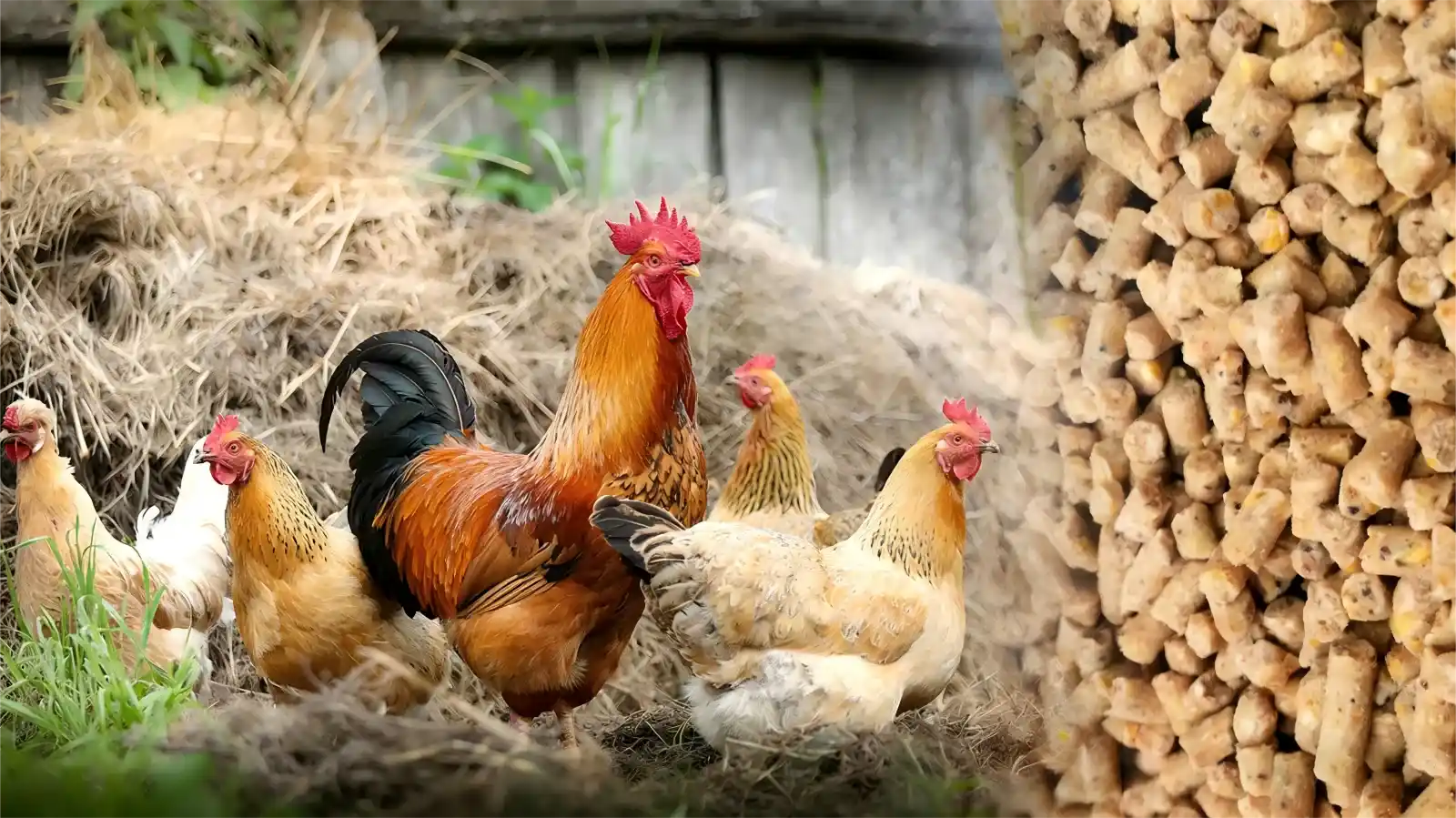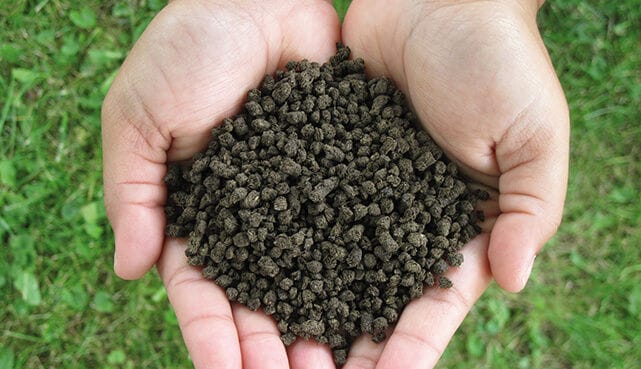



The grass pellet industry has been growing rapidly in recent years as global agriculture shifts toward more efficient, sustainable, and high-density livestock feeding solutions. Grass pellets—made from alfalfa, hay, and other forage crops—offer a convenient and nutritious alternative to traditional loose forage. They are easier to store, transport, and feed, while also improving livestock digestion and reducing feed waste.
Because of these advantages, starting a grass pellet business has become an attractive opportunity for entrepreneurs and agricultural investors. With the right strategy, equipment, and market understanding, a grass pellet business can generate stable and long-term profits.
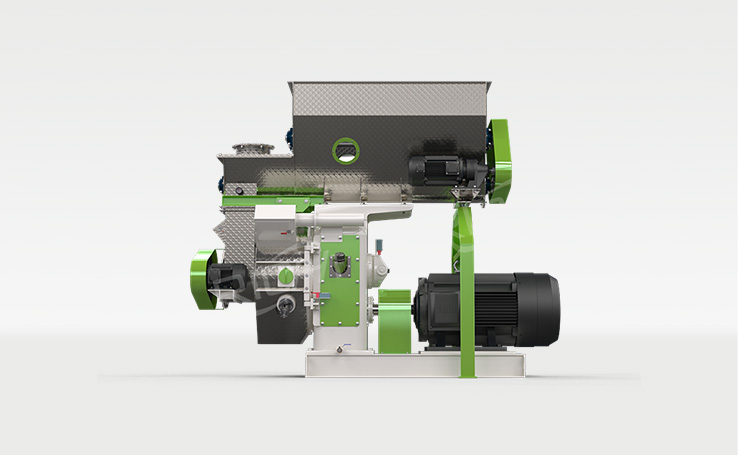
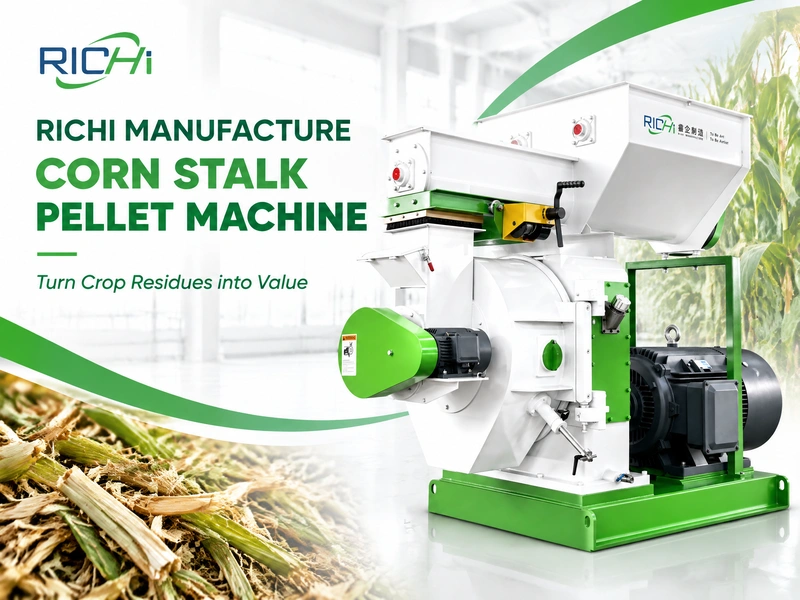
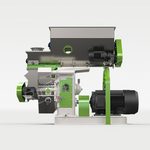
Modern production relies heavily on specialized machinery such as the alfalfa pellet making machine and hay pellet machine for sale, which enable efficient, large-scale production of high-quality feed pellets.
This article provides a complete guide on how to start a successful grass pellet business, including planning, equipment selection, production setup, cost control, and marketing strategies.
1. Understanding the Grass Pellet Industry
Before starting any business, it is important to understand the industry landscape.
The grass pellet industry is closely connected to:
- Livestock farming
- Dairy production
- Beef cattle farming
- Sheep and goat farming
- Horse feed markets
1.1 Why Grass Pellets Are in High Demand
Demand is increasing because grass pellets:
- Improve feed efficiency
- Reduce storage and transportation costs
- Provide consistent nutrition
- Reduce feed waste
As modern farming becomes more industrialized, traditional hay feeding is gradually being replaced.
2. Market Opportunities for Grass Pellet Business
The grass pellet market offers strong opportunities due to:
- Expansion of livestock farming
- Rising feed costs globally
- Increasing demand for high-quality animal nutrition
- Growth in export markets
2.1 Potential Customers
Your target customers may include:
- Dairy farms
- Beef cattle farms
- Sheep and goat farms
- Horse breeding farms
- Feed distributors
3. Choosing a Business Model
There are several ways to structure a grass pellet business.
3.1 Small-Scale Production
- Local market supply
- Lower investment
- Basic equipment setup
3.2 Medium-Scale Production
- Regional distribution
- Semi-automated production
- Balanced investment and profit
3.3 Large-Scale Industrial Production
- High-capacity production lines
- Fully automated systems
- Export-oriented business
4. Importance of Equipment in Grass Pellet Business
Equipment is the foundation of any grass pellet business.
The most important machines include:
- alfalfa pellet making machine
- hay pellet machine for sale
4.1 Role of Alfalfa Pellet Making Machine
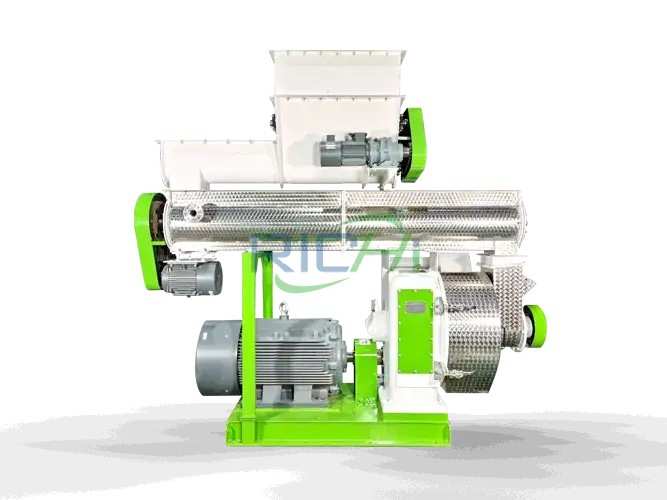
The alfalfa pellet making machine is designed to convert dried alfalfa into dense, nutrient-rich pellets.
Functions:
- Compresses raw alfalfa
- Forms uniform pellets
- Preserves nutritional value
Benefits:
- High-quality feed production
- Improved storage stability
- Reduced feed waste
4.2 Role of Hay Pellet Machine for Sale
The high-efficiency hay pellet machine for sale is widely used for processing hay and mixed forage materials.
Functions:
- Processes dried hay
- Compresses material into pellets
- Improves feed handling efficiency
Advantages:
- Lower labor cost
- Efficient production process
- Suitable for large-scale feeding operations
5. Setting Up a Grass Pellet Production Facility
A proper facility layout is essential for efficiency.
Main sections include:
- Raw material storage area
- Drying section
- Grinding area
- Mixing system
- Pelletizing area
- Cooling and packaging section
5.1 Workflow Design
A good workflow ensures:
- Smooth production
- Reduced material handling
- Higher efficiency
6. Raw Material Supply Strategy
Raw material supply is a key factor in profitability.
Common materials include:
- Alfalfa
- Timothy grass
- Ryegrass
- Hay
- Straw
6.1 Cost Control in Raw Materials
To reduce costs:
- Buy in bulk during harvest season
- Establish contracts with local farmers
- Use agricultural waste materials
7. Production Process Overview
Grass pellet production involves several steps:
- Raw material drying
- Crushing and grinding
- Mixing (if needed)
- Pelletizing
- Cooling
- Screening
- Packaging
8. Role of Alfalfa Pellet Making Machine in Production
The alfalfa pellet making machine plays a central role in production efficiency.
8.1 Working Process
- Prepared alfalfa enters machine
- Rollers apply pressure
- Material is forced through die
- Pellets are cut into uniform size
8.2 Importance in Business
- Ensures stable production output
- Maintains pellet quality
- Increases production speed
9. Importance of Hay Pellet Machine for Large-Scale Business
For commercial production, the hay pellet machine for sale is essential.
9.1 Business Advantages
- High output capacity
- Stable performance
- Suitable for continuous production
9.2 Profit Impact
Efficient machines increase:
- Production volume
- Market competitiveness
- Profit margins
10. Quality Control in Grass Pellet Production
Quality control ensures customer satisfaction.
Key factors include:
- Moisture content
- Pellet hardness
- Nutritional composition
- Size uniformity
11. Energy Efficiency and Cost Control
Energy costs affect profitability.
Ways to reduce energy use:
- Use efficient motors
- Optimize production flow
- Reduce idle machine time
12. Labor Management in Pellet Business
Labor requirements depend on production scale.
Small business:
- 2–5 workers
Medium business:
- 5–15 workers
Large business:
- 20+ workers
Automation reduces labor dependency.
13. Marketing Strategy for Grass Pellet Business
Marketing is essential for success.
Effective strategies include:
- Direct sales to farms
- Agricultural exhibitions
- Online marketing
- Dealer partnerships
14. Pricing Strategy
Pricing depends on:
- Raw material cost
- Production cost
- Market demand
- Competitor pricing
14.1 Value-Based Pricing
Higher-quality pellets can command higher prices due to:
- Better nutrition
- Improved durability
- Higher efficiency
15. Profitability of Grass Pellet Business
Profit depends on:
- Production efficiency
- Equipment performance
- Market demand
- Raw material cost
Well-managed businesses can achieve strong returns.
16. Common Challenges in Grass Pellet Business
Challenges include:
- Raw material fluctuations
- Equipment maintenance
- Market competition
- Energy consumption
17. Risk Management Strategies
To reduce risks:
- Diversify raw material sources
- Maintain equipment regularly
- Build stable customer networks
18. Scaling the Business
Once established, businesses can expand by:
- Increasing production capacity
- Expanding product types
- Entering export markets
19. Future Trends in Grass Pellet Industry
Future developments include:
- Smart automated pellet systems
- AI-based feed formulation
- Sustainable forage utilization
- Energy-efficient machinery
Conclusion
Starting a grass pellet business is a promising opportunity in the modern agricultural industry. With growing demand for efficient livestock feed, grass pellets offer a sustainable and profitable solution for farmers and feed producers.
Success in this industry depends on proper planning, reliable raw material supply, and the use of advanced machinery such as the alfalfa pellet making machine and hay pellet machine for sale. These machines enable efficient production, consistent quality, and scalable operations.
By combining strong market understanding, efficient production systems, and effective marketing strategies, entrepreneurs can build a highly profitable and sustainable grass pellet business in today’s growing agricultural economy. (Richi Pellet Machine)