Every poultry farm has one. The pile. It sits behind the barn, growing a little every day. It smells. It attracts flies. It takes up space. And it costs money to manage—whether you spread it, haul it, or pay someone to take it away. For most farms, it is a chore, not an asset.
But that pile is not just waste. It is a resource. Poultry litter contains nitrogen, phosphorus, potassium, and organic matter. Those are the same nutrients that farmers pay for in bags of fertilizer. The difference is that raw litter is bulky, inconsistent, and inconvenient to use. It is heavy, wet, and variable. It does not flow through spreaders evenly. It releases ammonia. It can contain weed seeds and pathogens. Those problems are real. But they are solvable.
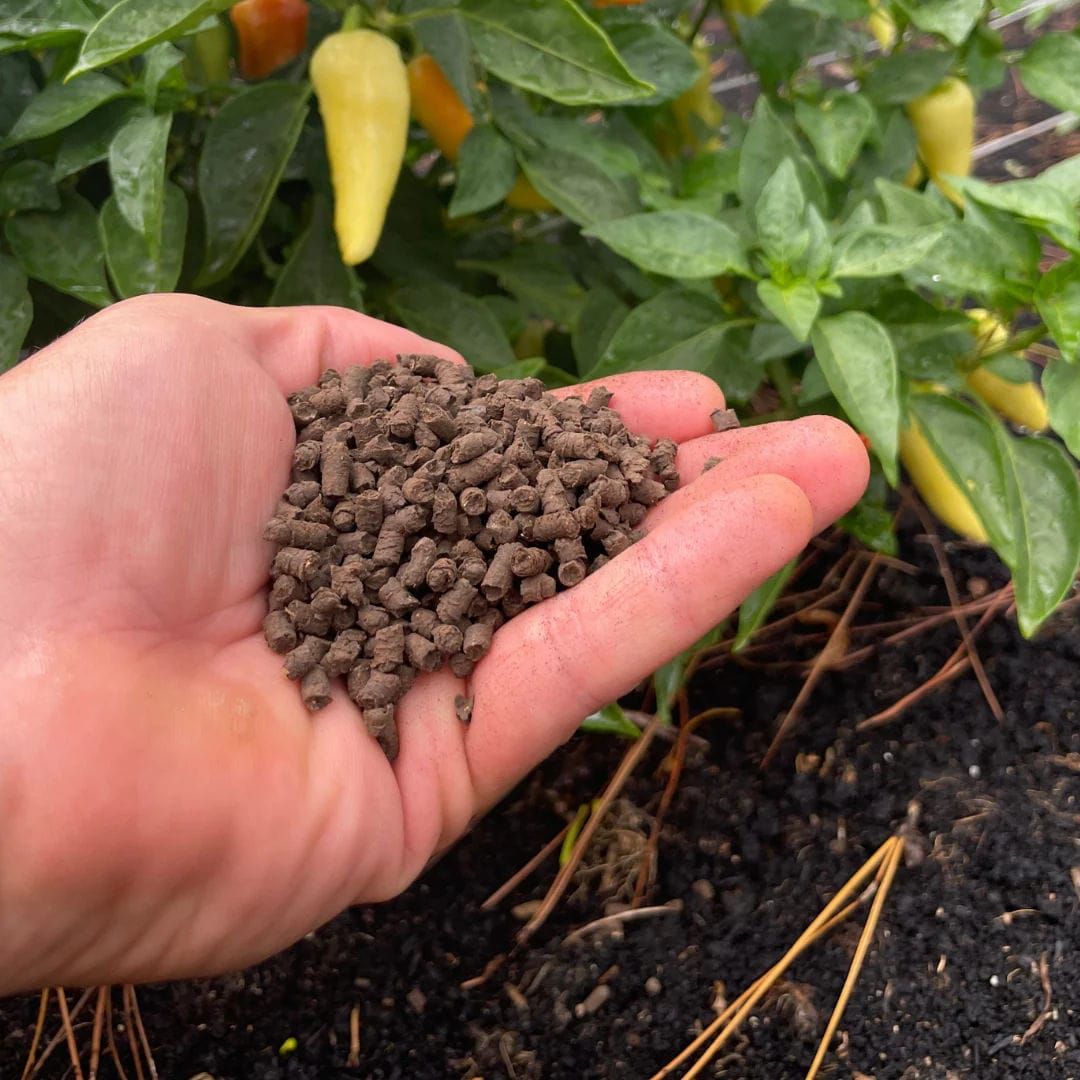
Processing changes everything. When poultry litter is dried, ground, and formed into pellets or granules, it becomes a stable, consistent, marketable product. It can be bagged, stored, shipped, and applied with precision. It can be sold to organic farms, landscapers, nurseries, and gardeners. It can even be used as a biomass fuel. The pile behind the barn becomes a production line. The waste becomes a product. And the cost becomes an income.
What Makes Poultry Litter Valuable
Poultry litter is not the same as cattle or pig manure. It is more concentrated. A typical sample contains 3% to 5% nitrogen, 2% to 3% phosphorus, and 2% to 3% potassium, along with calcium, magnesium, sulfur, and micronutrients. Those nutrients are essential for plant growth. They are also expensive to buy in synthetic form.
Beyond nutrients, litter contains organic matter. Organic matter improves soil structure, water retention, and microbial activity. It is a key component of healthy soil. In an era of declining soil organic matter, that is a significant benefit.
The challenge is not the value. It is the form. Raw litter is 25% to 40% moisture. It clumps, bridges, and sticks. It cannot be stored for long without losing nutrients or creating odors. It cannot be transported far without the cost outweighing the value. Those limitations have kept litter from reaching its full potential.
The Processing Solution
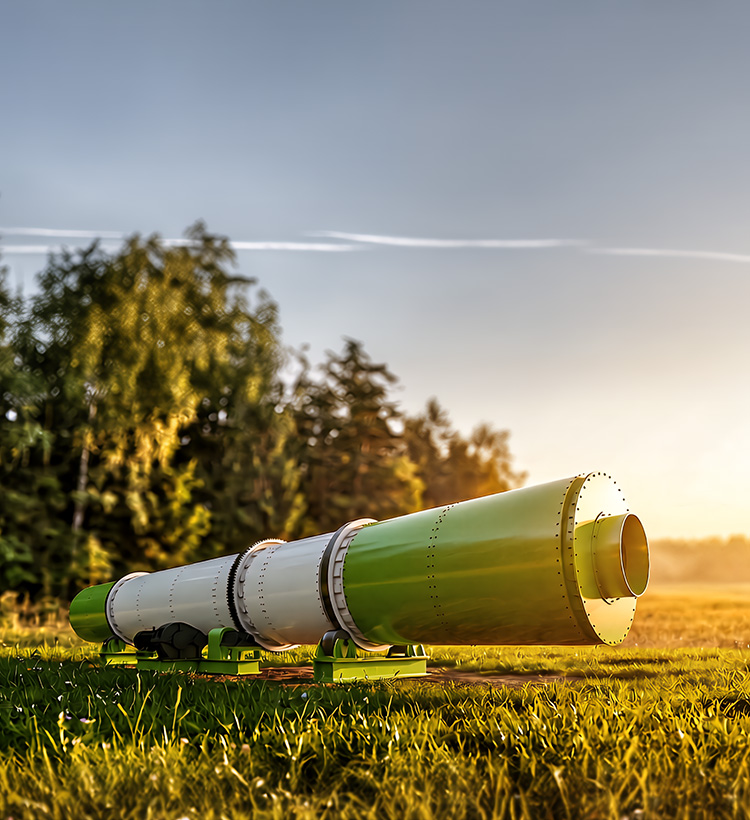
Processing addresses every one of those limitations. The first step is drying. Moisture content is reduced to around 12% to 15%. This stops microbial activity, reduces weight, and prepares the material for grinding. Drying can be done with rotary dryers, belt dryers, or fluidized bed dryers. The heat source can be biomass, natural gas, or waste heat.
The second step is grinding. The dried litter is reduced to a consistent particle size. This ensures that the final product is uniform and that every pellet or granule contains the same nutrient profile. Grinding also makes the material easier to compress or agglomerate.
The third step is mixing. Depending on the target market, the ground litter may be blended with other ingredients—minerals, binders, or other organic materials—to achieve a specific nutrient balance. The mixer must be thorough. Inconsistent mixing leads to inconsistent product, and inconsistent product does not sell.
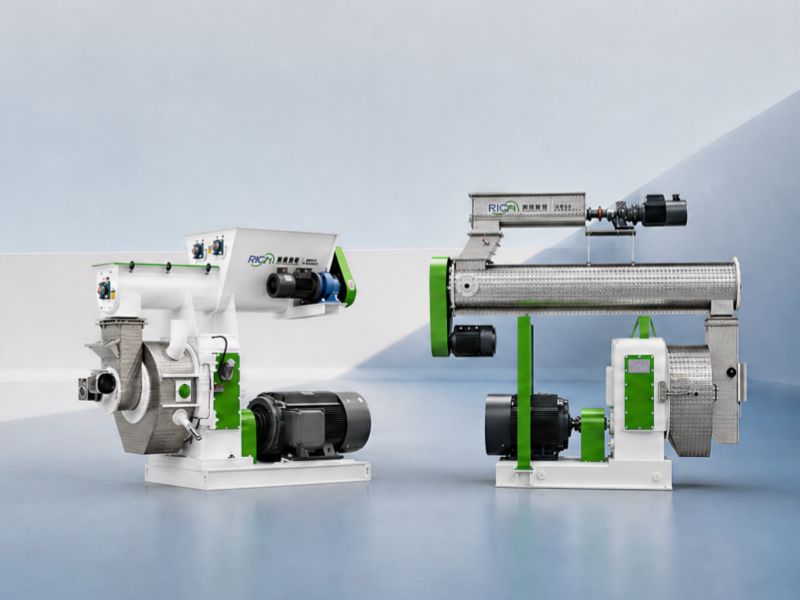
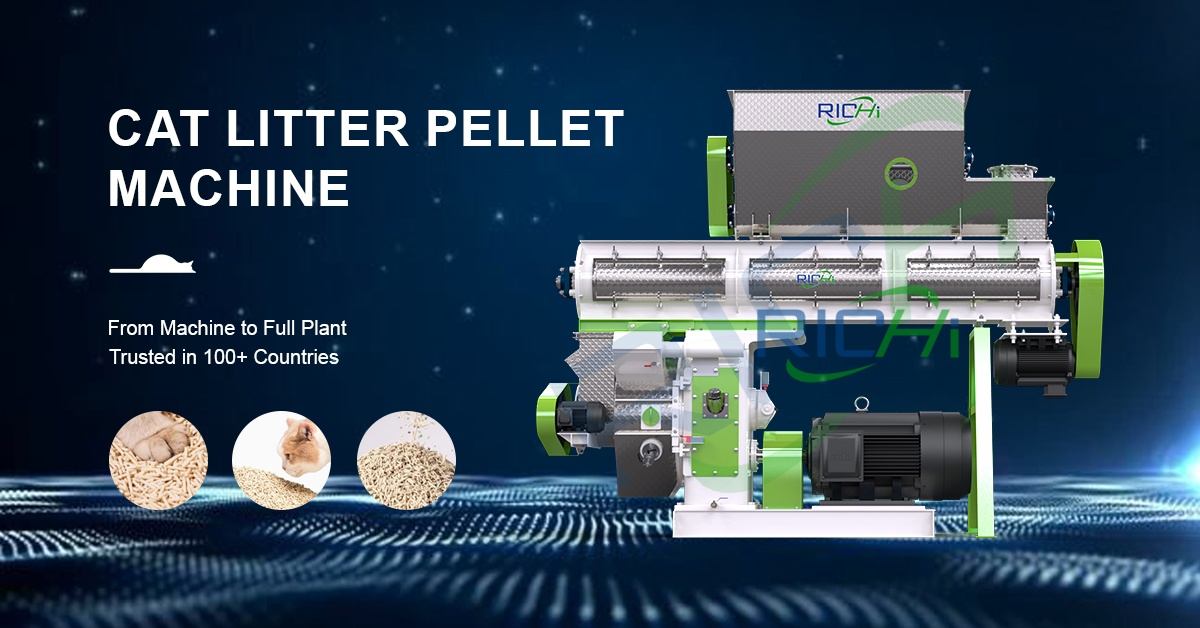
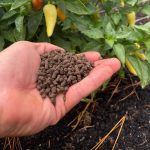
The fourth step is forming. Here, there are two main paths. One is pelleting, where the material is forced through a die under high pressure. The friction generates heat, which melts natural binders and creates a dense, durable pellet. The other is granulation, where the material is tumbled in a drum or on a disc while moisture and binders are added. The particles stick together and grow into round, irregular granules.
Both pellets and granules have their markets. Pellets are dense, uniform, and slow-release. Granules are less dense, break down faster, and blend easily with other inputs. The choice depends on the customer. That is why many producers invest in a commercial organic fertilizer granulator machine alongside a pellet mill. Having both options allows them to serve a wider market.
The Equipment That Makes It Happen
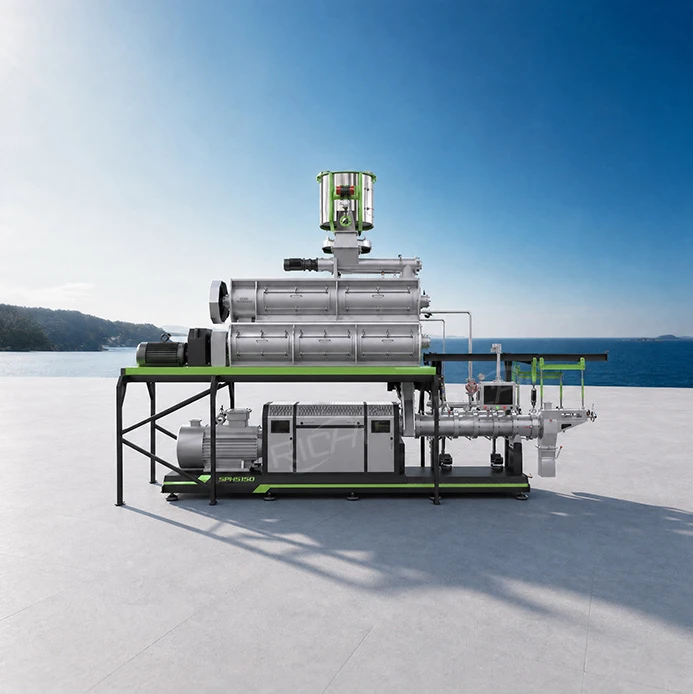
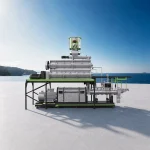
A complete processing line includes more than just a granulator or pellet mill. It includes a dryer, a grinder, a mixer, a granulator or pellet mill, a cooler, and a screener. Conveyors and bins move material between stages. The control system keeps everything running smoothly.
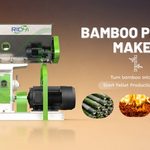
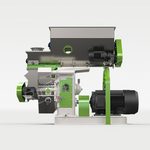
The heart of the line is the forming equipment. A poultry manure processing machine must be built to handle the abrasive, variable nature of poultry litter. The material contains silica, grit, and fibrous bedding. Dies, rollers, and bearings must be wear-resistant. The drive system must be robust. The control system must be able to adjust for changes in moisture, particle size, and formulation.
For granulation, the equipment works differently. A granulator uses a rotating drum or disc. The material is fed in, moisture is added, and the particles tumble and grow. The process is gentler than pelleting and produces a rounder, more porous product. The granulator must be sized to match the throughput of the dryer and the grinder. If any stage is undersized, it becomes a bottleneck.
Choosing the Right Scale
Not every farm needs the same equipment. A small farm with a few hundred birds might produce a few tons of litter a year. A large broiler operation might produce thousands of tons. The equipment must match the volume.
For small farms, compact machines are available. These are affordable, easy to operate, and require modest power. They allow a farm to process its own litter for on-farm use or local sale. The economics are different at this scale—the goal is often to eliminate disposal costs and produce free fertilizer, not to build a commercial business.
For larger farms or commercial ventures, the scale is different. Industrial dryers, grinders, and granulators can process several tons per hour. The cost per ton drops as volume increases. The product can be sold to distributors, garden centers, or export markets. The payback period can be a few years, depending on the market and the utilization rate.
What to Look For in Equipment
The quality of the equipment determines the quality of the product and the longevity of the operation. Poultry litter is abrasive. It wears down dies, rollers, and bearings. A machine built with cheap components will break down frequently, produce inconsistent product, and cost more in maintenance than it saves.
Drying capacity is critical. If the dryer is undersized, the granulator will be starved for material. If it is oversized, energy is wasted. The components must be matched.
The granulator or pellet mill must be configured for the material. Die size, compression ratio, and conditioning parameters all affect the final product. The control system should be easy to operate and maintain. Spare parts must be available. Support must be responsive.
Why RICHI machinery
RICHI machinery has been building feed and biomass processing equipment for decades. They have worked with poultry farms, feed mills, and fertilizer producers around the world. They understand that poultry litter is not the same as wood, straw, or grain. It has its own challenges and its own requirements.
Their equipment is designed to handle those challenges. The dryers are efficient and controllable. The grinders are robust. The granulators and pellet mills are built with wear-resistant components. The control systems are user-friendly. And the support—installation, training, spare parts, technical assistance—is there when it is needed.
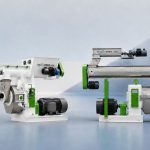
They offer a range of sizes, from small household machines to large industrial lines. Whether a farm wants to process its own litter or build a commercial fertilizer business, there is an option that fits. And they provide the guidance to help producers choose the right configuration.
The Market for Processed Poultry Litter
The market for organic fertilizer is growing. Organic farms need approved nutrient sources. Landscapers, golf courses, and nurseries use organic products. Vegetable growers and fruit orchards value the slow-release nutrients and organic matter. Garden centers sell bagged organic fertilizer to homeowners. There is also a market for litter pellets as a biomass fuel in some regions.
The key to accessing these markets is consistency. Buyers want a product that meets specifications for moisture, nutrient content, and durability. They want to know that every bag or bulk load will perform the same way. A well-run processing operation can deliver that consistency. A poorly run operation cannot.
The Bottom Line
Poultry litter is not a problem. It is a resource. Processing it into pellets or granules turns it into a product that can be sold, stored, and applied with precision. The equipment is available at scales that fit different operations. The technology is proven. The market is there.
The first step is to test the material. Find out its moisture content, nutrient profile, and fiber characteristics. Then talk to equipment suppliers. Ask about capacity, drying requirements, die or granulator configurations, and support. Visit an installation if possible. See how the equipment performs and talk to the operators.
The second step is to understand the market. Who will buy the product? What specifications do they require? What price will they pay? The answers will determine the scale of the operation and the type of equipment needed.
The third step is to make the investment. Choose equipment that is built for the material, sized for the volume, and supported by a manufacturer who stands behind it. Then run the line efficiently, maintain it properly, and produce a consistent product.
For farms that have been paying to dispose of litter, the shift to processing it is transformative. The pile becomes a production line. The waste becomes a product. And the cost becomes an income. It is not a small change. But it is a change that many producers are making—and for good reason.