



Bamboo grows rapidly in many tropical and subtropical regions, making it an interesting raw material for biomass fuel production. However, freshly harvested bamboo is not immediately suitable for pelletizing. It usually needs to be cut, reduced in size, and adjusted to an appropriate moisture level before compression.
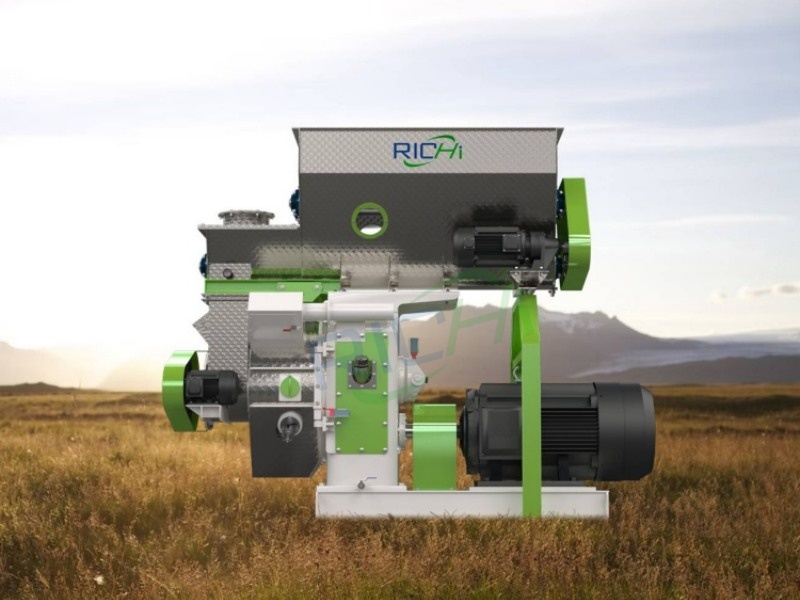
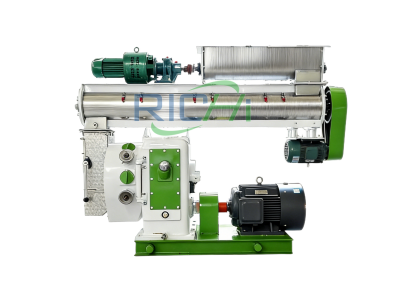
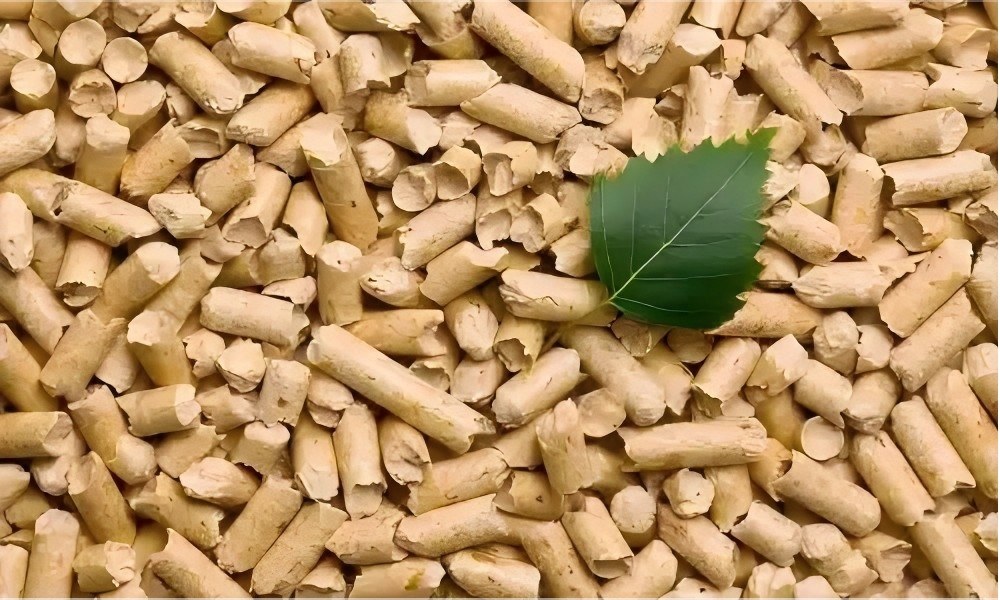
A bamboo pellet machine forms prepared bamboo material into dense cylindrical pellets. The final production process depends on the bamboo variety, moisture content, particle size, required capacity, and intended fuel application.

What Bamboo Materials Can Be Pelletized?
A biomass plant can process several forms of bamboo material.
Whole bamboo can first be cut into smaller pieces before entering a crusher or hammer mill. Bamboo branches, processing residues, and suitable bamboo waste can also become feedstock when they meet the required material conditions.
The presence of dirt, stones, metal, or other contaminants should be controlled before processing because foreign materials can damage cutting and crushing equipment.
For factories receiving different bamboo residues, a raw-material preparation section can help create a more consistent feedstock for the pellet mill.
Why Does Bamboo Need Crushing?
Pellet mills cannot efficiently process long bamboo pieces directly. Size reduction creates a more uniform material that can move through the production line more consistently.
A hammer mill can reduce bamboo chips into smaller particles. The target particle size depends on the pellet mill and the desired finished-pellet characteristics.
Uniform particles also help improve material feeding and compression. However, excessively fine grinding is not always necessary and can increase electricity consumption.
The grinding specification should therefore be matched with the actual bamboo material and pelletizing equipment.
Moisture Is an Important Factor
Bamboo moisture strongly affects pellet formation.
Fresh bamboo may contain substantially more moisture than the pelletizing process requires. In this situation, a dryer can be installed between the crushing and pelletizing stages.
If the material is already sufficiently dry, additional drying may not be necessary.
A moisture test should be performed before choosing a dryer. This prevents the production line from including equipment that the raw material does not actually require.
How Does Pelletizing Work?
After preparation, the bamboo particles enter the pellet mill.
The machine compresses the material through die holes and forms cylindrical pellets. Pressure and friction generate heat during the process, helping the particles bind together.
The die determines the approximate pellet diameter. Different applications can therefore use different die specifications.
A producer making fuel pellets for boilers, heating systems, or industrial combustion may have different pellet requirements from a producer supplying household heating markets.
Bamboo Compared With Other Biomass Materials
Bamboo is only one of many materials that can be converted into biomass pellets.
Wood chips, sawdust, agricultural residues, straw, rice husk, and other biomass materials may also be processed when their physical properties are suitable.
A 5T/H wood chip pellet machine belongs to the same general category of biomass pelletizing equipment, but wood chips can have different hardness, moisture, fiber structure, and particle characteristics.
Therefore, a machine configuration designed for one raw material should not automatically be copied for another without testing.
Cooling After Pelletizing
Fresh biomass pellets leave the pellet mill at an elevated temperature.
A cooler reduces their temperature and helps stabilize the pellets before storage. Cooling also helps remove part of the remaining moisture from the pellet surface.
After cooling, a screener can separate fines and broken pellets from the finished product.
Separated fines can potentially return to the production process, depending on their condition.
What Determines Production Capacity?
Several factors affect actual output:
- Bamboo species
- Raw-material moisture
- Particle size
- Pellet diameter
- Motor power
- Die design
- Feeding stability
- Operating conditions
For this reason, the nominal capacity of a pellet mill should not be treated as a universal production figure for every type of bamboo.
Testing the actual material can provide a more useful basis for equipment selection.
What Equipment Does a Bamboo Pellet Line Need?
A typical process can include:
Bamboo → Cutting → Crushing → Drying if Required → Pelletizing → Cooling → Screening → Packing
Larger plants can add conveyors, storage silos, automatic feeding, and packing systems.
Small producers may use a more compact arrangement and manually handle some material-transfer operations.
Can Bamboo Pellets Be Stored?
After cooling and screening, pellets should be protected from moisture during storage.
Because biomass pellets can absorb moisture from the surrounding environment, a dry storage area is important. Excessive moisture can affect pellet strength and combustion performance.
Bulk storage, woven bags, or other packaging methods can be selected according to transportation and sales requirements.
Choosing the Pelletizing Equipment
When comparing biomass equipment, buyers should consider raw-material condition, required capacity, pellet diameter, motor power, die specifications, electricity supply, spare parts, and maintenance requirements.
A wood pellet maker may be suitable for certain biomass applications, but equipment should always be selected according to the actual feedstock rather than simply the general category of material.
For a new bamboo pellet project, providing representative samples and detailed production requirements can help determine whether additional crushing or drying equipment is necessary.
With appropriate preparation, bamboo can be transformed from a bulky agricultural material into a denser and easier-to-handle biomass fuel. Click here for more information about biomass pellet production equipment and plant configurations.
Related Post: https://pelletizerequipment.com/sawdust-pellet-machine-for-sale/