




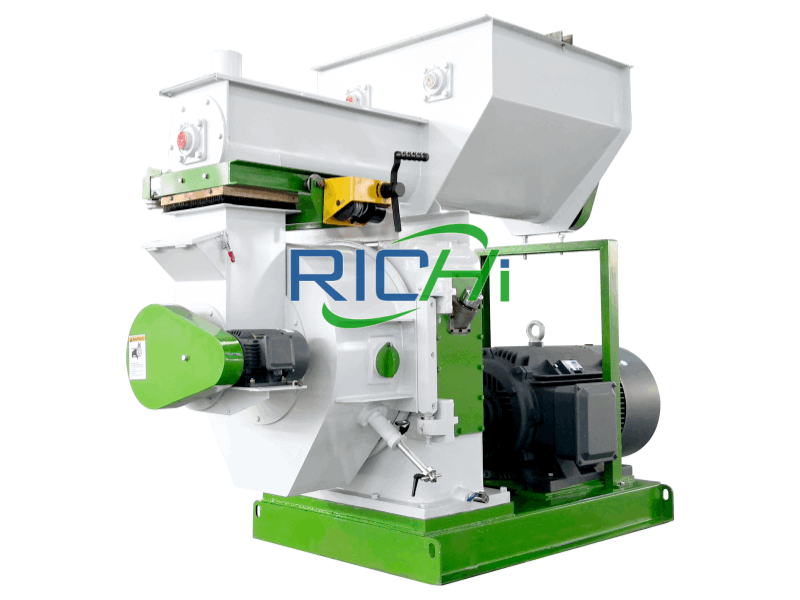
Agricultural waste is becoming one of the most valuable renewable energy resources in today’s biomass industry. Among different agricultural residues, rice husks are especially abundant in rice-producing countries across Asia, Africa, and South America. Instead of allowing these materials to go to waste, many companies are investing in pellet production technology to create clean and efficient biomass fuel. The rice husk pellet maker has become an important solution for transforming low-density agricultural waste into high-value renewable energy products.
Rice husk pellets are now widely used in industrial boilers, biomass heating plants, and power generation systems. Compared with loose rice husks, pellets are easier to transport, store, and burn more efficiently. As fuel prices continue to rise globally, biomass pellets are attracting growing attention from both industrial users and agricultural businesses.
Why Rice Husk Pellets Are Valuable
Rice milling operations generate huge quantities of husks every year. In many regions, disposing of this waste material creates environmental and storage challenges. Pelletizing provides an effective way to recycle these residues into useful fuel products while reducing pollution from open burning.
Pelletized rice husks have several important advantages. Their higher density reduces transportation costs and improves storage efficiency. Pellets also produce more stable combustion performance, making them suitable for industrial fuel applications.
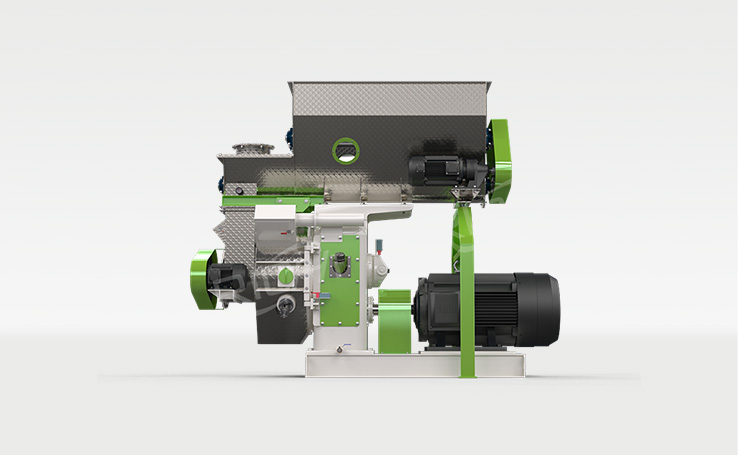
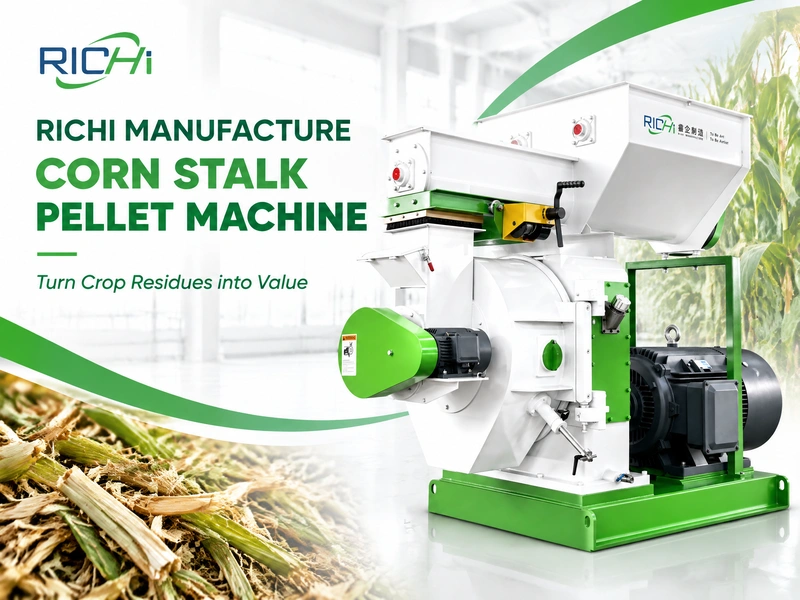
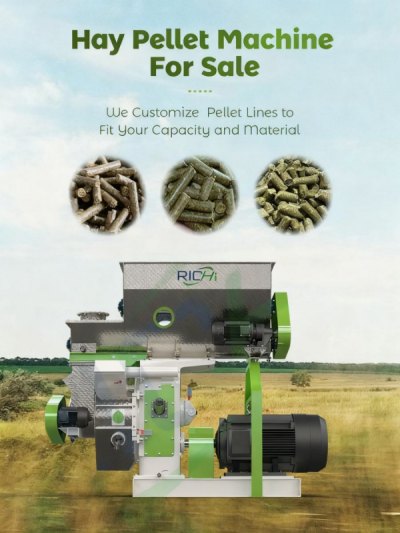
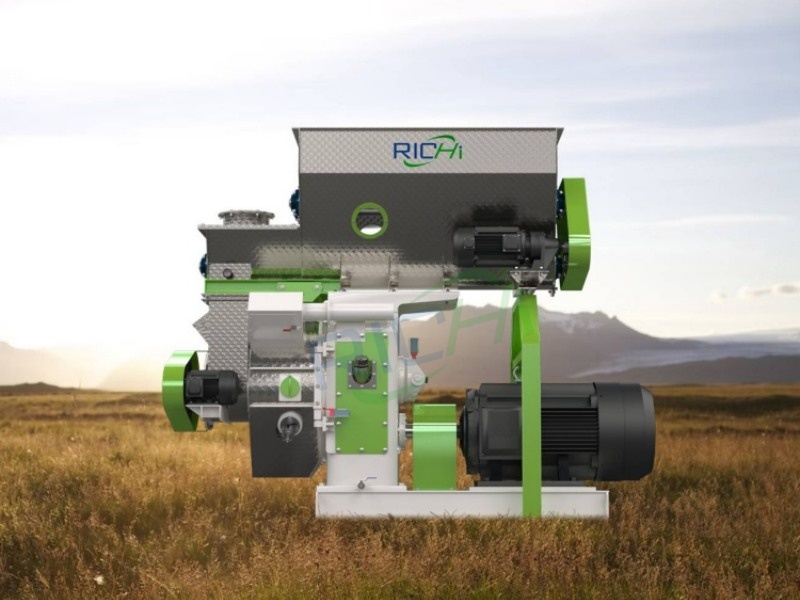
Because rice husks contain high silica levels and fibrous structures, specialized pelletizing equipment is required for efficient processing. Modern rice husk pellet maker systems are designed to handle these challenging raw materials while maintaining consistent pellet quality and stable operation.
Main Equipment in a Rice Husk Pellet Plant
A complete rice husk pellet production line generally includes raw material handling systems, crushing equipment, drying systems, pellet mills, cooling machines, screening units, and packaging equipment.
The process usually begins with cleaning and moisture adjustment. Proper moisture control is essential for achieving stable pellet formation. If the raw material contains excessive moisture, drying equipment helps improve pelletizing efficiency.
After pretreatment, the material enters the pellet mill where high pressure compresses the biomass into dense fuel pellets. The finished pellets are then cooled and screened before packaging for storage or transportation.
For medium and large commercial biomass projects, many investors search for an industrial husk pellet machine for sale because industrial-grade systems provide stronger durability, higher output capacity, and lower long-term operating costs.
Advantages of Advanced Pellet Making Technology
Modern biomass pellet plants focus on automation, energy efficiency, and equipment durability. Intelligent control systems allow operators to monitor production conditions in real time, helping improve pellet consistency and reduce manual labor requirements.
Rice husks are abrasive materials due to their silica content, which means equipment quality is especially important. High-performance pellet mills use reinforced rollers, wear-resistant ring dies, and optimized feeding systems to extend equipment lifespan and reduce maintenance frequency.
Manufacturers such as Richi Pellet Mill provide customized biomass pellet solutions for different agricultural residues and production capacities. Customized engineering design helps improve factory efficiency according to local raw material characteristics and customer requirements.
Choosing the Right Pellet Production Solution
Every biomass fuel project has different production goals and raw material conditions. Before purchasing equipment, investors should evaluate factors such as production capacity, automation level, electricity consumption, factory layout, and future expansion plans.
Proper equipment matching is critical for ensuring stable operation and consistent pellet quality. A well-designed pellet plant can significantly reduce operating costs while improving overall productivity.
If you are planning a biomass fuel project and want to explore additional technical details or equipment configurations, you can check next for more industry information and pellet production guidance.
Future Development of Biomass Pellet Fuel
The global transition toward renewable energy continues to increase demand for biomass fuel technologies. Rice husks and other agricultural residues are becoming important alternative fuel resources for industrial energy applications worldwide.
With efficient pellet production systems and professional project planning, rice husk pellet manufacturing offers long-term business opportunities for agricultural processors, biomass fuel suppliers, and renewable energy investors seeking sustainable growth.
(Related Post: https://biomasspelletizer.com/rice-husk-pellet-machine/)