


Introduction
Agricultural activities generate enormous volumes of organic waste every year, including straw, rice husks, corn stalks, sugarcane bagasse, and other crop residues. Traditionally, much of this waste has been burned in open fields or left to decay naturally. Both practices contribute significantly to environmental pollution, greenhouse gas emissions, and public health risks.
In response to these challenges, agricultural waste pellets have emerged as a clean and efficient alternative energy source. By converting biomass residues into solid fuel, pellets help reduce pollution while simultaneously creating renewable energy.
A key part of this transformation is understanding how to make straw pellets, a process that turns loose agricultural residues into compact, high-energy fuel. This article explores how agricultural waste pellets reduce pollution and why they are becoming essential in sustainable development strategies worldwide.
1. The Pollution Problem Caused by Agricultural Waste
Before understanding the solution, it is important to recognize the scale of the problem.
1.1 Open-field burning
In many agricultural regions, farmers burn crop residues after harvest to quickly clear fields. This leads to:
- Dense smoke pollution
- High levels of PM2.5 and PM10
- Carbon monoxide emissions
- Reduced air visibility
This practice is one of the major contributors to seasonal air pollution in many countries.
1.2 Greenhouse gas emissions
When agricultural waste decomposes or is burned, it releases:
- Carbon dioxide (CO₂)
- Methane (CH₄)
- Nitrous oxide (N₂O)
These gases contribute to global warming and climate change.
1.3 Soil and ecosystem damage
Burning residues also:
- Destroys soil organic matter
- Reduces soil fertility
- Kills beneficial microorganisms
- Disrupts ecological balance
2. What Are Agricultural Waste Pellets?
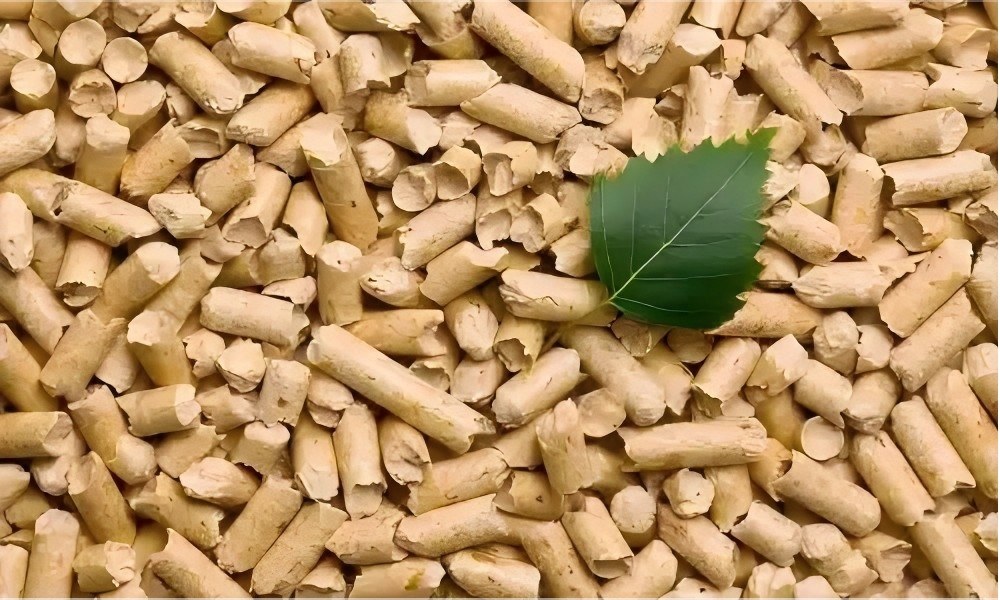
Agricultural waste pellets are solid biomass fuel products made by compressing agricultural residues into small cylindrical shapes.
Common raw materials include:
- Wheat straw
- Rice straw
- Corn stalks
- Rice husks
- Sugarcane bagasse
- Peanut shells
These materials are processed into pellets that can be used as renewable fuel in industrial and residential systems.
3. How to Make Straw Pellets
Understanding how to make straw pellets is essential for recognizing how pollution reduction is achieved.
Step 1: Collection of raw materials
Straw and crop residues are collected from farms after harvest.
Step 2: Crushing and size reduction
Large straw bales are broken into small particles using crushers or hammer mills.
Step 3: Drying
Moisture content is reduced to approximately 8–15% to ensure efficient pellet formation.
Step 4: Pelletizing
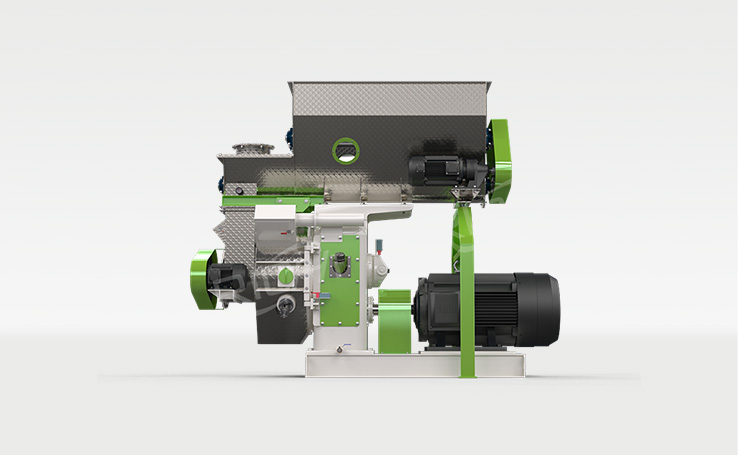
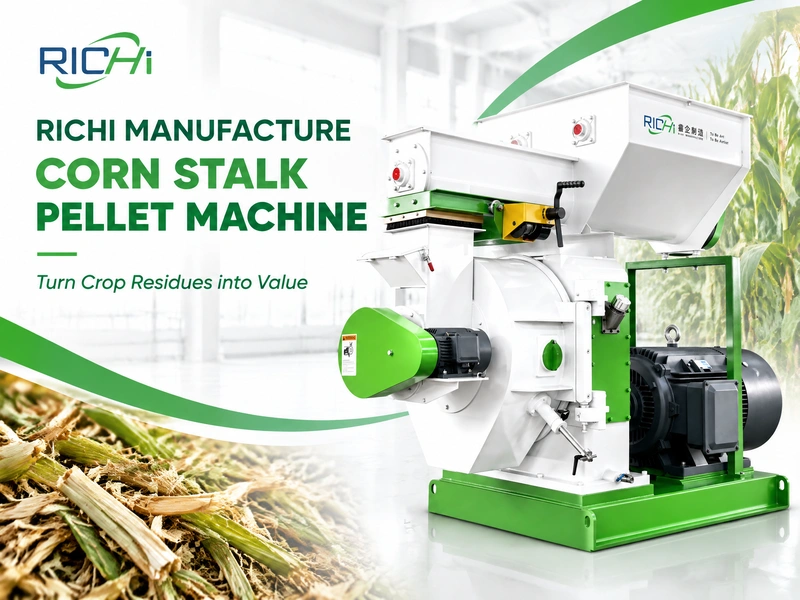
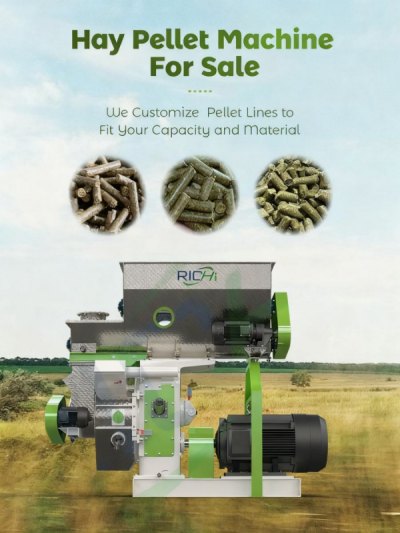
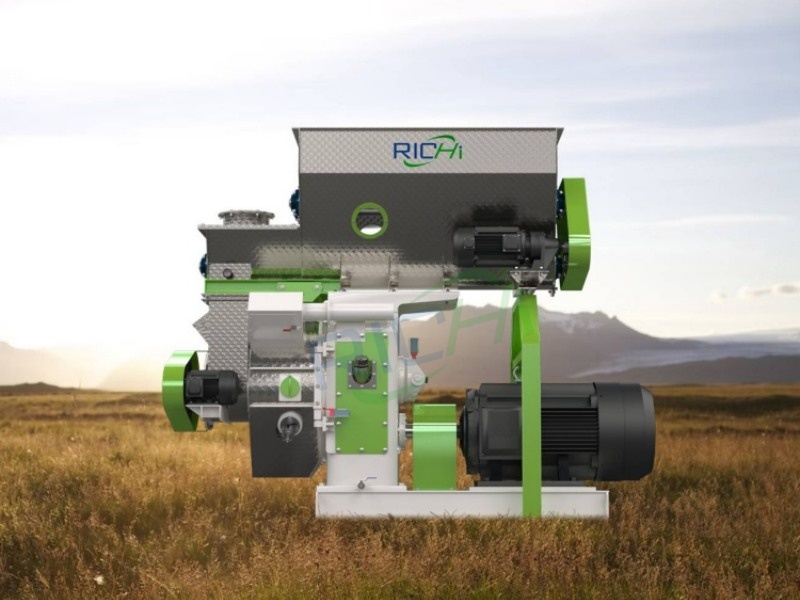
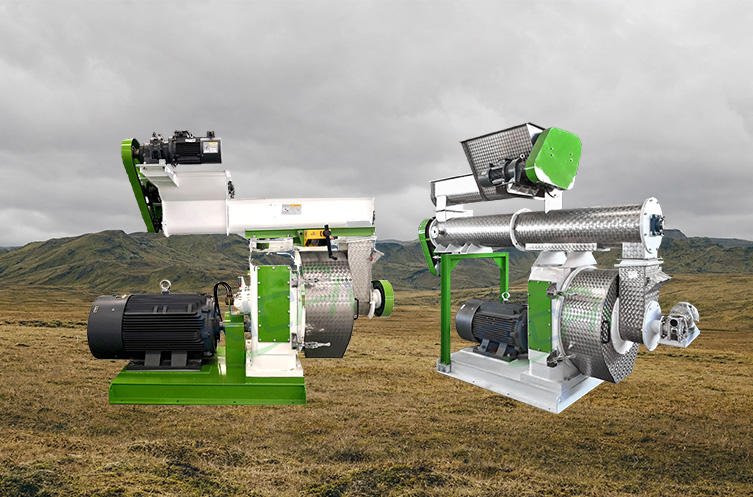
The processed straw is fed into a pellet machine, where it is compressed under high pressure and heat to form dense pellets.
https://pelletisingmachine.com/straw-pellet-mill
Step 5: Cooling
Fresh pellets are cooled to stabilize structure and reduce moisture.
Step 6: Screening and packaging
Final pellets are screened for quality and then packaged for transport and use.
Through this process, loose and polluting agricultural waste is transformed into clean, efficient energy fuel. (hop over to this site)
4. How Agricultural Waste Pellets Reduce Air Pollution
4.1 Eliminating open burning
One of the most direct benefits of pellet production is the elimination of field burning.
Instead of burning straw, farmers can process it into pellets, significantly reducing:
- Smoke emissions
- Particulate matter
- Toxic gases
This leads to immediate improvements in local air quality.
4.2 Controlled combustion
Pellets are burned in controlled environments such as boilers and furnaces, which:
- Reduce incomplete combustion
- Minimize smoke production
- Improve energy efficiency
Compared to open burning, pellet combustion is far cleaner and more efficient.
4.3 Lower particulate emissions
Agricultural waste pellets produce significantly fewer fine particles compared to raw biomass burning. This helps reduce PM2.5 levels, which are a major health concern in urban and rural areas.
5. Reduction of Greenhouse Gas Emissions
Agricultural waste pellets contribute to climate change mitigation.
5.1 Carbon neutrality
Plants absorb CO₂ during growth. When pellets are burned, they release roughly the same amount of CO₂, making them carbon-neutral compared to fossil fuels.
5.2 Reduced methane emissions
If agricultural waste is left to decompose, it produces methane, a greenhouse gas far more potent than CO₂. Pelletizing prevents this process.
5.3 Substitution of fossil fuels
By replacing coal and oil in industrial processes, pellets significantly reduce overall carbon emissions.
6. Reduction of Solid Waste Pollution
Agricultural waste pellets also help manage solid waste more effectively.
6.1 Waste conversion
Instead of being discarded, crop residues are transformed into valuable fuel.
6.2 Reduced landfill pressure
Pellet production reduces the amount of biomass sent to landfills or left in fields.
6.3 Cleaner rural environments
Farm areas become cleaner and more organized, reducing environmental hazards.
7. Water and Soil Protection Benefits
7.1 Prevention of soil degradation
Burning straw destroys soil nutrients and organic matter. Pellet production avoids this damage.
7.2 Reduced chemical pollution
By reducing the need for fossil fuels and chemical waste disposal, pellets indirectly reduce water contamination risks.
7.3 Sustainable nutrient cycle
Some pellet production systems return ash to fields as fertilizer, supporting soil health.
8. Industrial Applications That Reduce Pollution
Agricultural waste pellets are used in multiple sectors, replacing more polluting fuels.
8.1 Power generation
Biomass power plants use pellets instead of coal, reducing emissions significantly.
8.2 Industrial boilers
Factories use pellets for steam and heat, reducing reliance on fossil fuels.
8.3 Residential heating
Pellet stoves provide cleaner heating alternatives in homes.
8.4 Cement and steel industries
These industries use pellets as alternative fuels to reduce carbon intensity.
9. The Role of Technology in Pollution Reduction
Efficient pellet production systems are essential for maximizing environmental benefits.
Key equipment includes:
- Crushers
- Dryers
- Pellet mills
- Cooling systems
The process of how to make straw pellets depends heavily on optimized machinery to ensure clean and efficient conversion.
Modern technology improves:
- Energy efficiency
- Emission control
- Production stability
- Pellet quality
10. Economic Incentives That Support Pollution Reduction
Governments and industries promote pellet production through:
- Renewable energy subsidies
- Carbon reduction policies
- Agricultural waste management programs
- Tax incentives for clean energy projects
These incentives encourage farmers and businesses to adopt pelletizing instead of burning waste.
11. Challenges in Pollution Reduction Through Pellets
Despite clear benefits, challenges remain:
11.1 Collection logistics
Agricultural residues are widely distributed and difficult to gather.
11.2 Seasonal availability
Biomass supply depends on harvest cycles.
11.3 Initial investment
Equipment for pellet production requires capital investment.
11.4 Moisture control
Improper drying can reduce efficiency and increase emissions.
However, advancements in technology and policy support are helping overcome these challenges.
12. Future Outlook of Pollution Reduction Through Pellets
The future of agricultural waste pellets is strongly linked to global environmental goals.
Key trends include:
- Expansion of carbon neutrality policies
- Increased biomass power generation
- Growth in renewable energy markets
- Technological automation in pellet production
- Global reduction of agricultural burning practices
As these trends continue, agricultural waste pellets will play an increasingly important role in global pollution reduction strategies.
Conclusion
Agricultural waste pellets are an effective solution for reducing air, soil, and greenhouse gas pollution. By converting crop residues into clean energy, they eliminate open burning, reduce fossil fuel dependence, and promote sustainable resource use.
Understanding how to make straw pellets is essential to this transformation, as it reveals how raw agricultural waste is converted into valuable, low-emission fuel.
With continued technological advancement and policy support, agricultural waste pelletization will remain a key strategy in global efforts to reduce pollution and build a cleaner, more sustainable energy future. (Richi Machinery)