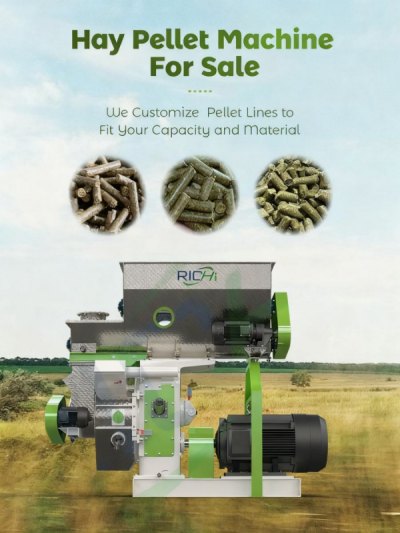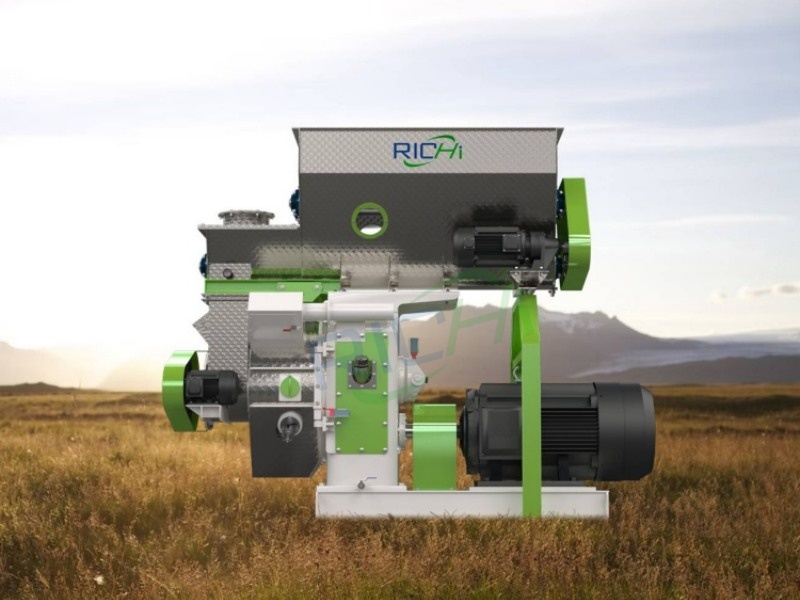


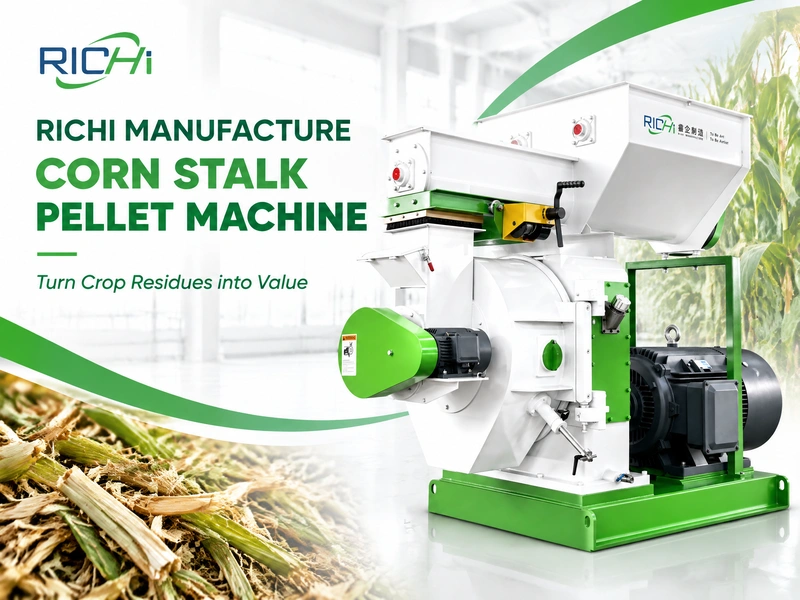
Agricultural residues are often treated as a disposal problem, especially in regions where corn production generates large quantities of stalks every season. Yet these materials contain useful organic matter and fiber that can be converted into a more practical energy product. A corn stalk pellet machine provides a way to densify loose corn stalks into uniform biomass pellets that are easier to handle, transport, store, and use.
The value of this process is not simply the conversion of waste into pellets. For farms, agricultural processors, and biomass businesses, pelletizing can create a more organized material flow and open a route toward commercial fuel production. Instead of moving bulky stalks directly to the next destination, operators can process them into a standardized product.
Why Corn Stalk Pellets Are Attractive
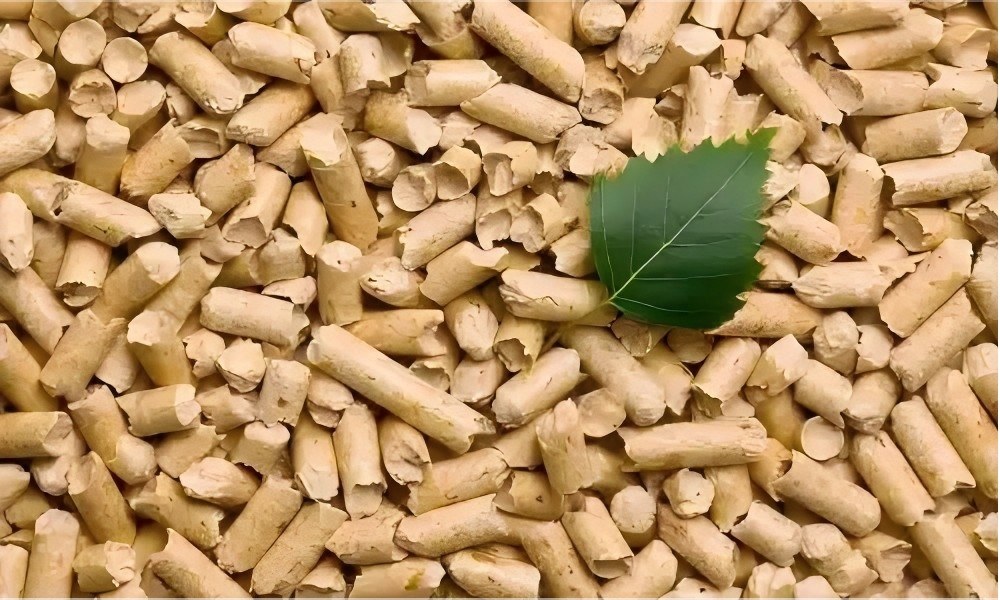
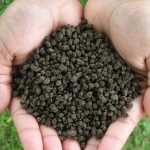
Loose corn stalks have a major logistical disadvantage: they occupy a large volume relative to their weight. This makes collection, storage, and transportation more complicated. Pelletizing changes the physical characteristics of the material by compressing prepared fibers into dense cylindrical particles.
For fuel applications, this can make agricultural residues more convenient for heating systems, boilers, and other biomass energy users. Pellets are also easier to package and sell because their shape and size can be standardized.
The economics depend heavily on local raw material availability, moisture, electricity costs, transportation, and the intended market. A region with abundant corn residues and nearby energy users may have a stronger business case than an area where raw material collection is expensive.
Matching Capacity With the Business Plan
Capacity should be considered before choosing equipment. A farmer processing residues primarily for internal use has very different requirements from a company purchasing agricultural waste from multiple suppliers.
For commercial investors comparing 1-20T/H straw pellet machine for sale, the important question is not simply which machine has the highest rated output. The better approach is to evaluate expected raw material supply, operating hours, available floor space, downstream handling, and projected pellet demand.
A machine that is too large can create unnecessary capital and operating costs. A machine that is too small can become a production bottleneck when raw material supply expands. Capacity should therefore be selected as part of the overall production strategy.
From Raw Straw to Finished Pellets
The basic process normally begins with size reduction. Corn stalks may need to be chopped or crushed before entering the pelletizing system. If moisture is excessive, drying becomes an important part of preparation because unsuitable moisture can affect forming, density, durability, and storage stability.
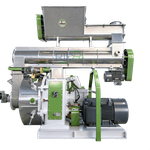
After preparation, the material enters the pellet mill. Mechanical pressure forces the fibers through die holes, producing compact pellets. The newly formed pellets may then require cooling and further handling before storage or packaging.
This means the pellet machine should not be viewed as an isolated piece of equipment when the goal is commercial production. Material preparation, feeding, pelletizing, cooling, screening, and packaging all influence the final result.
Building a More Practical Biomass Business
A successful corn stalk pellet project starts with the raw material rather than the machine catalog. Investors should examine how much corn stalk is available during different seasons and how it will be collected. They should also consider whether other agricultural residues can supplement corn stalk during periods of lower availability.
The flexibility to work with compatible biomass materials can make a project more resilient. Depending on the application, materials such as wheat straw, rice husk, grass, or sawdust may be incorporated into a suitable process. This should always be evaluated according to the required pellet quality and equipment configuration.
For readers who want additional background on agricultural residue processing, discover this info here can provide another reference point when comparing biomass pellet concepts.
Why Manufacturer Experience Matters
The pellet mill is exposed to continuous mechanical pressure, friction, and abrasive biomass fibers. Consequently, equipment durability, transmission design, die and roller quality, feeding stability, and maintenance access can all influence long-term operation.
A supplier should also understand that a biomass project is rarely identical from one location to another. Raw material properties, production targets, electricity conditions, and local operating practices can affect equipment selection.
With experience in pellet equipment and complete engineering projects, Richi manufacture positions its equipment around different biomass processing requirements rather than treating every project as a standard machine sale.
A Long-Term Approach to Agricultural Residues
Corn stalk pellet production makes the most sense when it connects three elements: reliable raw materials, appropriate processing equipment, and a realistic end market. The technology can transform an inconvenient agricultural residue into a denser and more manageable product, but profitability still depends on project economics.
For businesses with access to substantial corn stalk resources, pelletizing can therefore be considered as part of a broader biomass utilization strategy rather than simply a waste treatment method.
View details: https://www.richimanufacture.com/corn-stalk-pellet-machine/