

Every dairy farmer knows the drill. Manure accumulates daily, and dealing with it is a never-ending chore. It’s scraped, pumped, stored, and eventually spread—often at significant cost. But what if this routine was missing a crucial piece of the puzzle? What if the manure itself held value that could be captured and sold, turning an expense into a revenue stream?
This isn’t a hypothetical. Across the agricultural sector, a growing number of farmers are recognizing that cow dung is not merely a disposal problem but a resource with quantifiable economic potential. The key lies in processing—specifically, in transforming raw manure into a dense, stable, and marketable pellet. The technology is straightforward, the economics are favorable, and the market demand is real. This article examines the value proposition of manure processing, from the composition of the raw material to the finished product and its markets.
What’s Actually in Cow Dung?
To assess the value of manure, it helps to start with its composition. Cow dung is a mixture of undigested feed, water, and metabolic waste. On a wet basis, it typically contains 80% to 90% water. The dry matter—the portion that matters for nutrient value—consists primarily of organic matter, which includes carbohydrates, proteins, and fats, along with essential plant nutrients.
The primary nutrients are nitrogen (N), phosphorus (P), and potassium (K). The concentration varies depending on the animals’ diet, age, and production stage, but typical ranges are 0.5% to 1.5% N, 0.2% to 0.5% P, and 0.5% to 1.0% K on a wet basis. On a dry matter basis, these figures are roughly 2% to 4% N, 1% to 2% P, and 2% to 3% K. Additionally, cow dung contains calcium, magnesium, sulfur, and trace minerals, all of which contribute to soil fertility.
Beyond nutrients, the organic matter itself is valuable. It improves soil structure, water retention, and cation exchange capacity—the soil’s ability to hold and release nutrients to plants. In an era of declining soil organic matter, this is a significant benefit.
The challenge is that raw manure is dilute and variable. A ton of fresh manure contains only about 10% to 20% solids, so the nutrient concentration per ton is relatively low. This dilution makes transportation expensive and application imprecise. The variability means that two loads from the same farm can have different nutrient content, complicating agronomic planning.
The Processing Advantage
Processing changes the equation by concentrating the solids and stabilizing the nutrients. Drying removes the bulk of the water, increasing the nutrient density by a factor of five or more. Grinding homogenizes the material, reducing variability. And pelletizing compresses the dried material into uniform, dense particles that are easy to handle and apply.
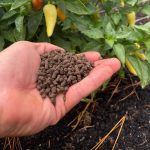
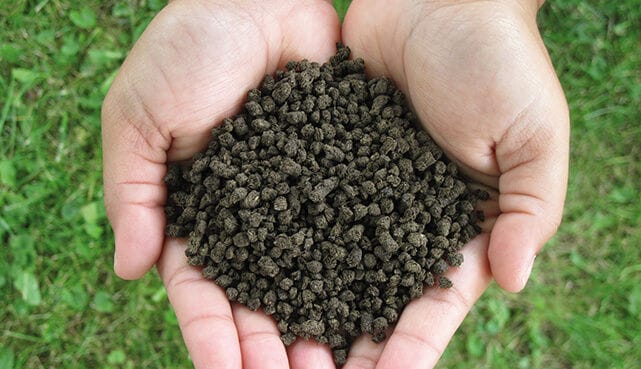
The resulting pellets contain the same nutrients as the original manure, but in a form that’s far more practical. A ton of pellets may represent the nutrients from five tons of raw manure, but it occupies a fraction of the space. This density makes transportation economical over longer distances, opening up markets beyond the immediate vicinity of the farm.
Uniformity is another key advantage. Pellets have consistent size, weight, and nutrient content, allowing for precise application with standard fertilizer spreaders. Farmers can calibrate their equipment to apply a specific rate of nutrients, matching crop requirements and reducing the risk of over-application.
Stability is a third benefit. The heat generated during pelleting kills weed seeds and pathogens, making the product safer to handle and apply. The low moisture content prevents spoilage, and the dense structure protects nutrients from leaching and volatilization.
The Equipment: From Raw Manure to Finished Pellets
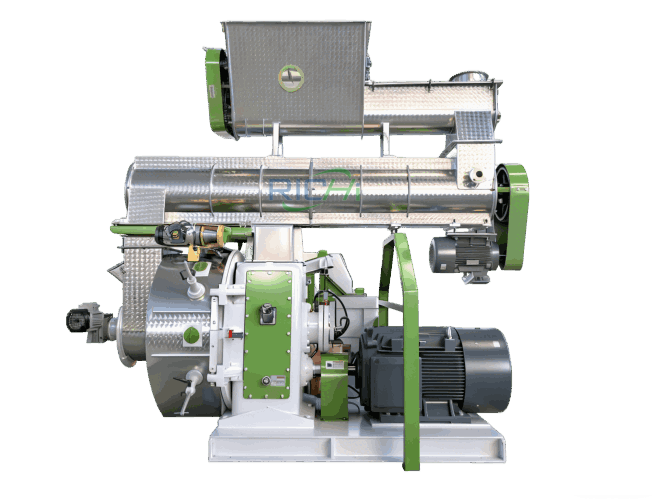
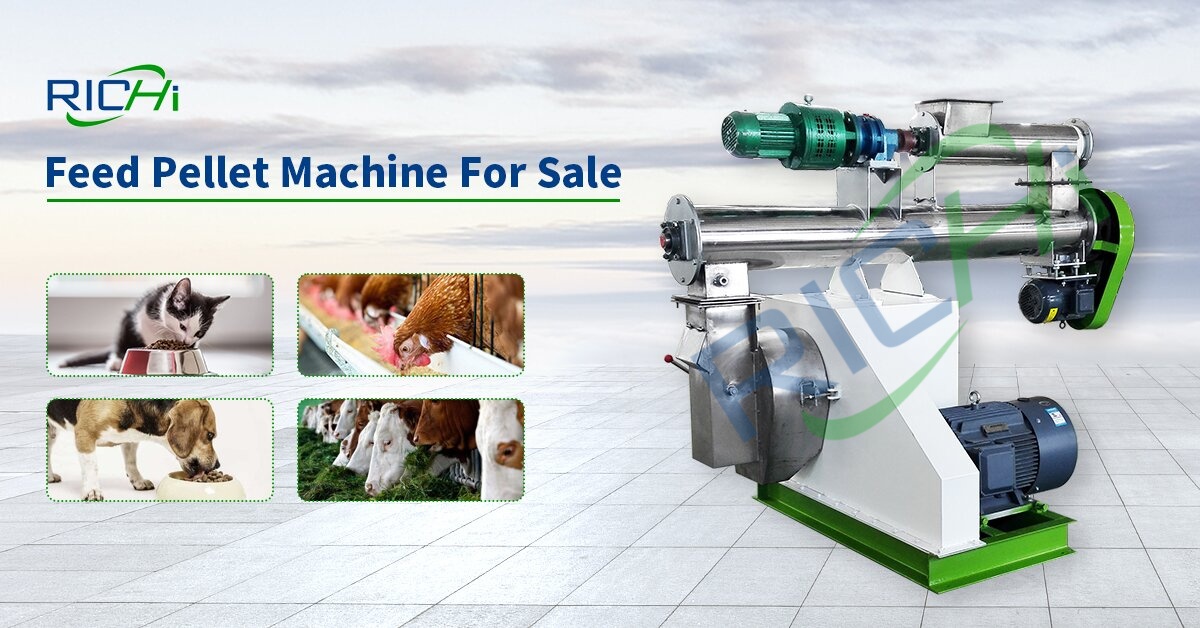
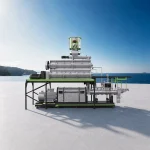
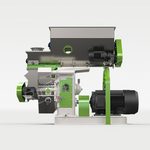
The conversion of cow dung into pellets requires a processing line that typically includes a dryer, grinder, conditioner, and pelletizer. At the heart of this line is the cow dung pellet making machine. This machine is specifically designed to handle the fibrous, abrasive nature of dried manure, with wear-resistant components and robust construction.
The cow dung pellet making machine operates by feeding conditioned, ground manure into a die chamber. Rotating rollers press the material through the die holes, creating dense, cylindrical pellets. The friction generates heat, which melts the natural lignin and other binders, bonding the particles together. The pellets emerge at high temperature and are then cooled and screened.
Capacity varies widely. Small units, suitable for on-farm use, can process a few hundred kilograms per hour. Commercial-scale machines can handle several tons per hour. The choice depends on the volume of manure produced and the intended market for the pellets.
Beyond the pellet machine, the complete system includes a dryer (to reduce moisture from 80% to about 12-15%), a hammer mill (to achieve uniform particle size), and conditioning equipment (to add steam and moisture for optimal binding). Cooling and screening complete the process, ensuring product quality.
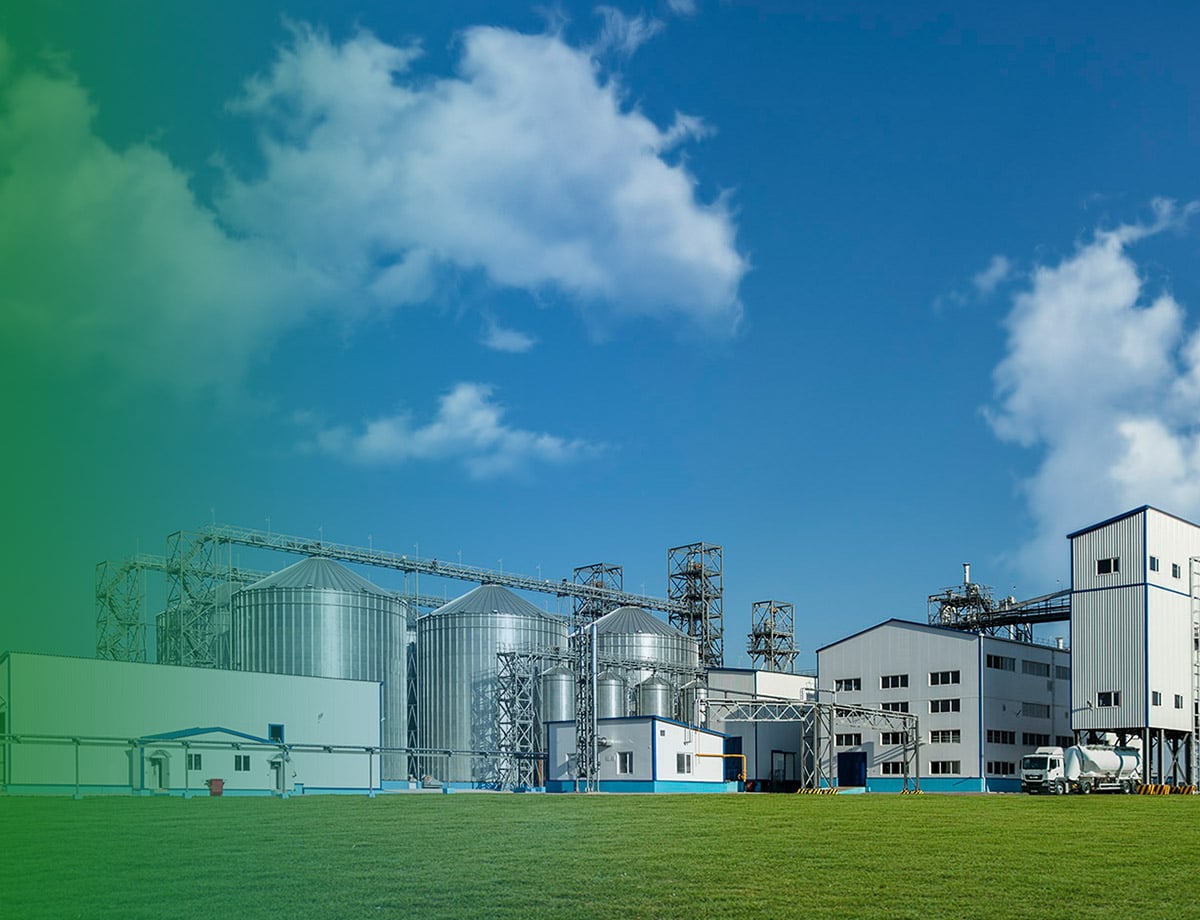
The pellet maker is the core of the operation, but its performance depends on the entire system. Proper drying is critical—if the manure is too wet, pellets will be weak; if too dry, they may not bind. Particle size affects durability, and conditioning influences hardness. An integrated system, engineered for the specific characteristics of cow manure, is essential for consistent output.
Economic Considerations
The decision to invest in a pelletizing system should be based on a clear economic analysis. The key variables are the volume of manure, the cost of alternative disposal, the market price for fertilizer pellets, and the capital and operating costs of the equipment.
For many farms, disposal costs are already significant. These may include labor for hauling, fuel for spreaders, and sometimes tipping fees or transportation charges. In regions with strict nutrient management regulations, the cost of compliance can be even higher. Eliminating or reducing these costs is an immediate benefit.
On the revenue side, organic fertilizer pellets command prices that reflect their nutrient value. Depending on the market, prices can range from $200 to $400 per ton or more. For a farm producing 1,000 tons of manure dry matter annually, the potential revenue is substantial.
Operating costs include electricity for drying and pelletizing, labor, and maintenance. Electricity consumption is significant—drying and compression are energy-intensive—but modern equipment is increasingly efficient. Maintenance costs depend on the abrasiveness of the material and the quality of the equipment.
A typical payback period for a processing line ranges from two to four years, after which the operation generates net positive cash flow. Farms that process manure for their own use also benefit from reduced fertilizer purchases, adding to the savings.
Markets for Manure Pellets
The primary market for processed cow dung pellets is organic fertilizer. Organic growers, vegetable producers, and fruit orchards are consistent buyers, seeking nutrient sources that meet certification standards. The slow-release nature of the pellets makes them particularly suitable for high-value crops.
Beyond fertilizer, manure pellets have applications as biomass fuel. With a calorific value of approximately 14-16 MJ/kg (dry basis), they can be burned in appropriate boilers and stoves. This market is more developed in regions with biomass energy infrastructure, but it is growing globally.
Specialty uses include potting mixes (as a nutrient source and soil conditioner), turf management, and even animal bedding in some cases. Diversifying into multiple markets can improve profitability and reduce exposure to price fluctuations in any single segment.
Practical Considerations
For farmers considering manure processing, several practical factors should be evaluated. The first is the consistency of the manure supply. The equipment operates best with a steady feedstock, so farms with year-round production are well-suited.
The second is the availability of drying capacity. Mechanical drying requires energy, which can be a significant cost. Using waste heat from other operations—such as from a biogas system or milk cooling—can reduce expenses.
The third is the learning curve. Manure processing requires attention to moisture control, particle size, and conditioning parameters. Working with an experienced equipment supplier can shorten the learning curve and help avoid common pitfalls.
related post:https://pelletizerextruder.com/chicken-manure-pellet-machine/