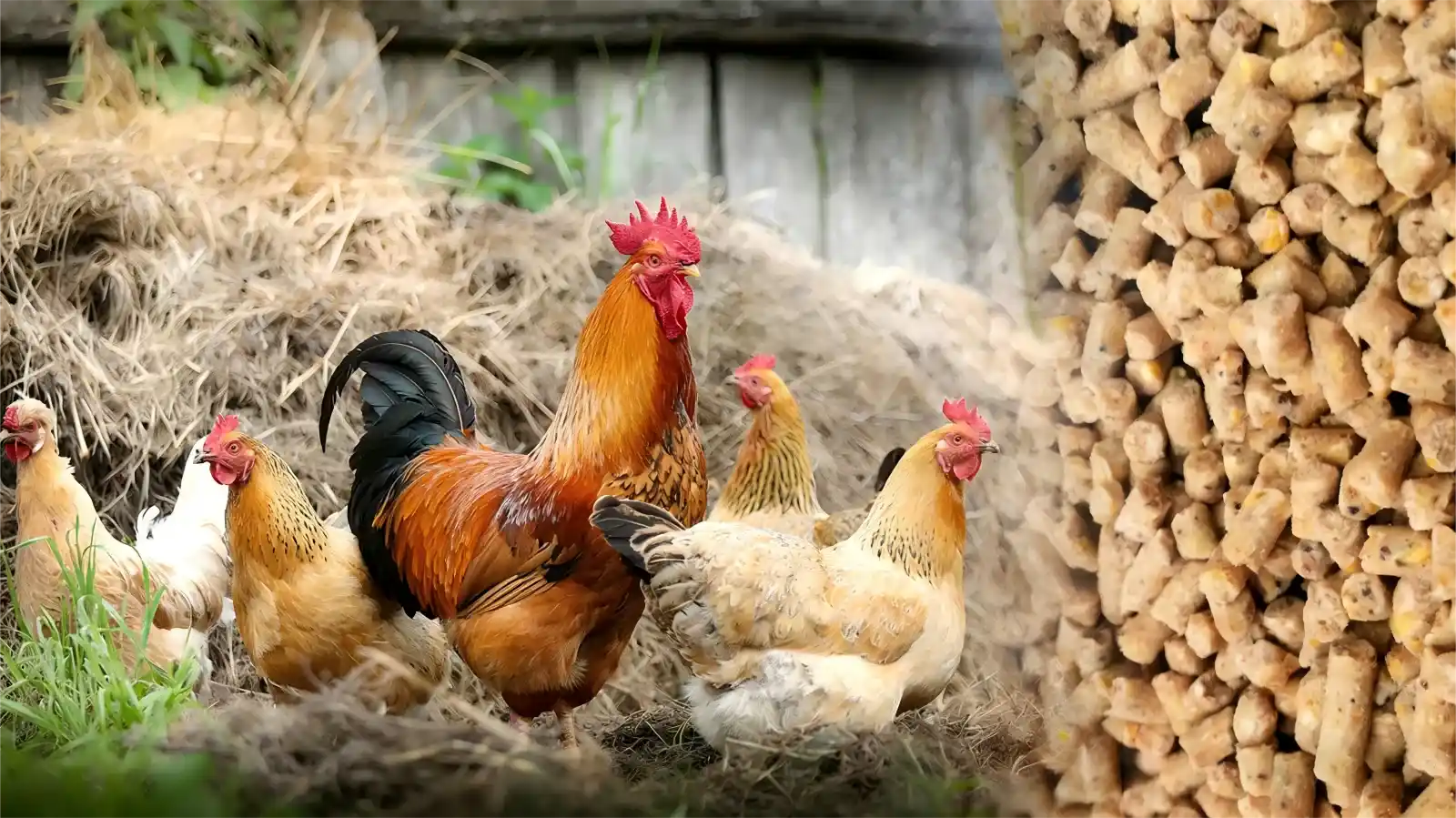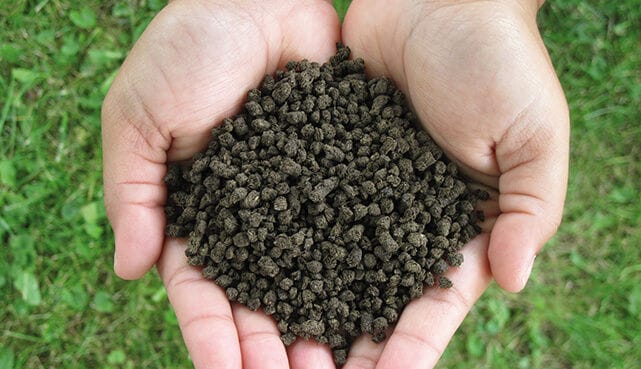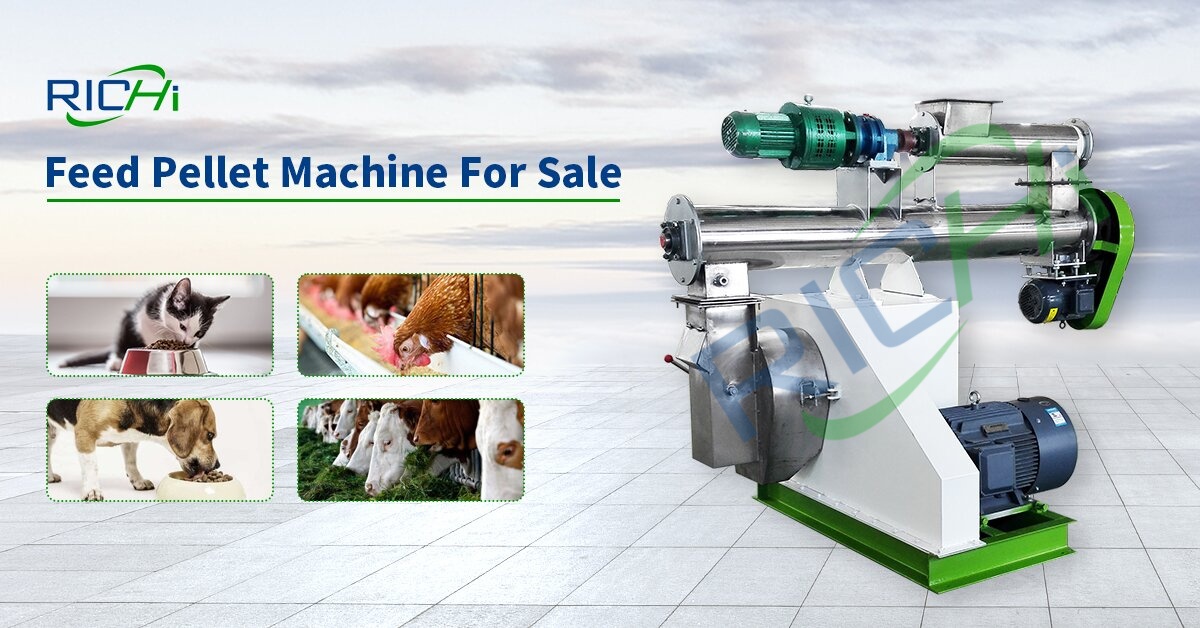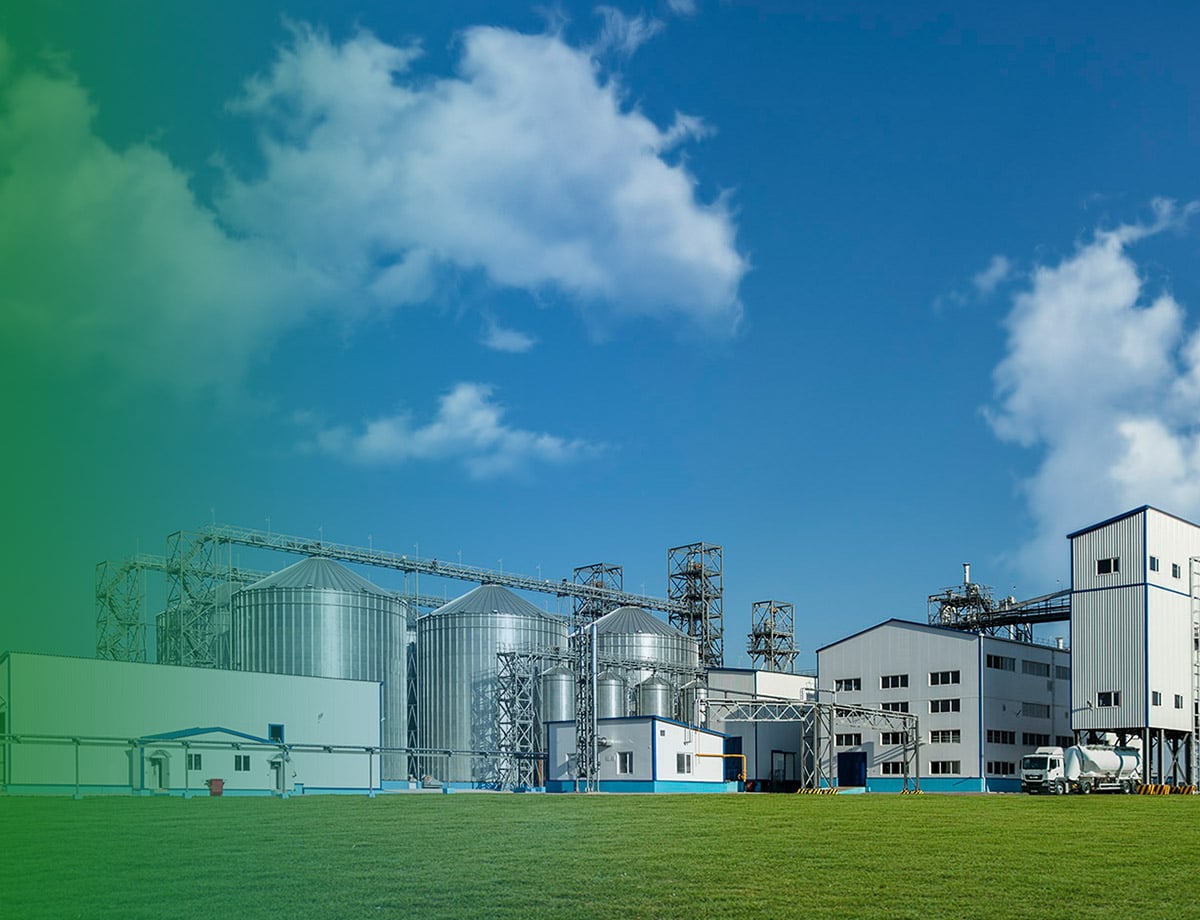


Goat feed pellet production can range from a simple farm-scale operation to a fully automated commercial feed factory. Because the equipment configuration changes significantly between these applications, there is no single price that applies to every project. Buyers should evaluate the complete processing requirements before comparing quotations.
When researching goat feed pellet making machine price, it is important to understand that the pellet mill itself is only one part of the investment. A practical project may also require raw material preparation, grinding, mixing, conveying, cooling, screening, storage, and packaging equipment.
The right configuration depends on the farm’s daily feed demand, available raw materials, desired pellet size, working hours, and future expansion plans.
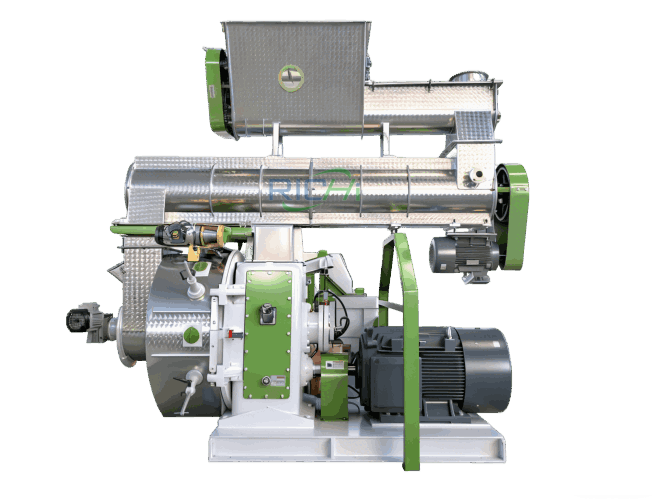
What Is Included in the Equipment Cost?
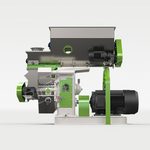
The main pellet mill is normally the core machine of a goat feed production system. However, the final quotation can include several other components.
Forage such as grass, hay, alfalfa, and crop straw may need to be crushed before pelletizing. A hammer mill or forage crusher can reduce the material to a more suitable particle size.
If several ingredients are used, a feed mixer is needed to combine them evenly. Conveyors can then transport the prepared material to the pelletizing section.
After pellets are formed, cooling and screening equipment may be installed before packaging.
Therefore, two quotations with apparently similar pellet mill capacities can have very different total prices if one includes only the main machine and the other covers a complete production line.
How Does Capacity Affect Price?
Production capacity has a direct influence on equipment size and motor power.
A small farm that needs several hundred kilograms per hour can use a compact system, while a commercial operation producing several tons per hour needs larger pellet mills, mixers, coolers, conveyors, and storage equipment.
However, buying a machine that is much larger than the farm’s actual demand may not be economical.
A better approach is to calculate daily feed consumption and determine the required hourly production based on available working hours.
For example, a farm that needs several tons of feed per day may choose a moderate-capacity pelletizing system and operate it for several hours instead of purchasing an oversized machine that remains underutilized.
How Should Capacity Be Selected?
Capacity should be calculated from actual daily feed consumption.
For example, a farm can estimate how much feed the herd consumes each day and then determine how many hours the production system will operate.
A farm requiring several tons of feed per day may not need a machine capable of producing the entire amount in one hour. Operating a moderate-capacity machine for several hours can sometimes be a more economical approach.
On the other hand, commercial feed producers supplying multiple farms need higher production capacity and more continuous operation.
When evaluating 2 ton per hour cattle feed pellet machine options, buyers should also consider actual output rather than relying only on the rated capacity. Raw material type, moisture, pellet diameter, formula, and die specification can all influence production.
Do Raw Materials Affect Equipment Selection?
Yes. Raw material characteristics can have a significant effect on the equipment configuration.
Alfalfa, grass, hay, corn stalks, wheat straw, corn, soybean meal, and wheat bran have different fiber, moisture, and particle-size characteristics.
Long and fibrous materials normally require more preparation than finely ground grain ingredients.
For example, dry hay may need cutting and crushing before it can enter the pellet mill. Fresh grass has much higher moisture and may require drying or moisture adjustment.
If the farm uses different raw materials throughout the year, the production line should be designed to accommodate these changes.
Why Is the Mixer Important?
Many goat feed formulas contain both forage and concentrated ingredients.
A mixer ensures that these materials are distributed throughout the feed before pelletizing. This helps create a more uniform final product.
Mixer size should be matched with the pellet mill capacity. If the mixer is too small, the pellet mill may have to wait between batches. If the mixer is excessively large, the investment and energy consumption may increase unnecessarily.
Different mixer designs can be selected according to the material characteristics, production scale, and desired mixing time.
What About Automation?
Automation is another major factor affecting project investment.
A basic farm-scale system may use manual feeding, weighing, and bagging. This can keep the initial cost relatively low but requires more labor.
A commercial factory may use automatic batching, computerized weighing, centralized PLC control, automatic conveying, and automatic packaging.
Automation can improve production consistency and reduce manual operation, but it increases the initial investment.
The appropriate level should be based on production scale and labor availability.
A small farm does not necessarily need the same automation level as a commercial feed manufacturer.
Can Different Feed Formulas Use One Pellet Mill?
In many cases, yes.
A single pellet mill can process several goat feed formulas if the raw materials and pellet specifications are compatible.
However, different formulas may require different die specifications or operating conditions.
For example, a high-forage formula may behave differently from a concentrated grain-based feed. Moisture, fiber content, and binding characteristics can all affect pellet formation.
Proper cleaning between formulas is also important to avoid cross-contamination and maintain product consistency.
For farms producing several types of livestock feed, discussing the complete formula range with the supplier before purchasing can help avoid later equipment modifications.
How Does Pellet Size Influence Cost?
Pellet diameter affects the die specification and sometimes the production efficiency.
Goat feed can be produced in different diameters according to animal age, feed formula, and feeding method.
If a farm needs multiple pellet sizes, it may require additional dies.
The cost of spare dies should therefore be considered when evaluating the equipment investment.
Changing dies also takes time, so producers making several products should consider how frequently production changes will occur.
What Auxiliary Equipment Should Be Included?
A typical goat feed production system can contain:
- Raw material crusher
- Hammer mill
- Feed mixer
- Pellet mill
- Cooler
- Screener
- Conveyors
- Packaging machine
- Electrical control system
Not every project requires every component.
A small farm may use a simple crushing, mixing, and pelletizing system, while a larger operation may require automatic batching, storage bins, cooling, screening, and packaging.
The equipment should be selected according to the actual process.
How Does Factory Layout Affect the Investment?
Factory layout can influence both equipment quantity and installation costs.
A good layout creates a logical material flow from raw material receiving to finished-feed storage.
Raw materials should not need to travel long distances between processing stages. Conveyors should be positioned to minimize unnecessary transfers.
The factory should also provide enough space around major machines for maintenance and spare-part replacement.
If future expansion is expected, additional space should be reserved from the beginning.
A well-designed layout can reduce labor and make production easier to manage.
What About Electricity Consumption?
Motor power is another factor buyers should consider.
Larger machines generally require more installed power, but the relationship between power and output depends on the raw material and equipment design.
Energy consumption should therefore be evaluated as part of the long-term operating cost rather than focusing only on the purchase price.
A machine with a slightly higher initial cost may provide better production efficiency under the actual working conditions.
For commercial projects, the factory should also check whether the existing electrical infrastructure can support the planned equipment.
How Should Buyers Compare Suppliers?
The lowest quotation is not necessarily the best option.
Buyers should compare machine specifications, actual production capacity, die dimensions, motor brands, bearings, feeding systems, control systems, spare parts, installation, and after-sales support.
They should also confirm which auxiliary machines are included.
An experienced Richi Pellet Machine supplier can evaluate the raw materials, feed formula, capacity, and factory layout before recommending a complete configuration.
This approach helps buyers avoid purchasing a machine that is either too small for the intended production or unnecessarily large for the farm.
Can a Small Farm Start With a Basic System?
Yes.
A farm with limited feed demand can begin with essential equipment and add automation later.
For example, a simple system may include a crusher, mixer, pellet mill, and basic cooling arrangement. Packaging can initially be completed manually.
When feed demand increases, the farm can add automatic batching, larger storage, conveyors, screening, and automatic packaging.
This phased approach can spread investment over time while allowing the farm to gain experience with pellet production.
What Information Should Be Provided for a Quotation?
Before requesting a quotation, buyers should prepare accurate information about the project.
Important details include:
- Main raw materials
- Raw material moisture
- Daily feed demand
- Desired hourly capacity
- Pellet diameter
- Number of feed formulas
- Working hours per day
- Available electricity
- Factory dimensions
- Packaging requirements
The more complete this information is, the easier it is for the supplier to recommend appropriate equipment.
Buyers researching equipment options can find more information about goat feed production systems and related livestock feed machinery before requesting a formal proposal.
Final Thoughts
Goat feed pellet machine prices are influenced by much more than the main pellet mill. Capacity, raw material preparation, mixer size, automation, cooling, screening, packaging, electrical requirements, and factory layout can all affect the final investment.
The most practical solution is to build the equipment configuration around actual farm requirements.
A small farm does not necessarily need a highly automated production line, while a commercial feed manufacturer should consider labor efficiency, future expansion, and continuous production.
With the right planning, producers can select a system that provides suitable capacity and pellet quality without investing in unnecessary equipment.
Related post:https://pelletizerequipment.com/pig-feed-pellet-machine/