
Introduction
Fish farming has become one of the most important sectors in global food production. With the increasing demand for seafood and the continuous pressure on natural fish resources, aquaculture provides an effective solution for supplying high-quality aquatic products in a sustainable way. However, the success of fish farming depends on many factors, including water management, breeding technology, disease prevention, and especially feed quality.
Feed is the primary source of nutrients that supports fish growth, reproduction, and health. In intensive aquaculture systems, feed often represents the largest operating cost, making feed efficiency a key factor affecting profitability. Poor-quality feed can result in slow growth, high feed consumption, water pollution, and increased production risks. Therefore, producing high-quality aquatic feed through advanced manufacturing technology has become essential for modern fish farming.
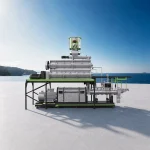
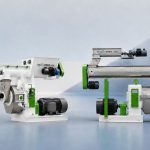
A professional aqua feed manufacturing plant provides a complete solution for producing nutritious, stable, and species-specific aquatic feeds. By integrating raw material processing, precise formulation, extrusion technology, drying, coating, and packaging systems, modern aquatic feed production improves feed utilization, enhances fish growth performance, reduces environmental impact, and supports the sustainable development of the aquaculture industry.
This article explains why aquatic feed production is important for fish farming and how advanced feed manufacturing technology helps farmers achieve more efficient and profitable operations.
1. Aquatic Feed Provides Essential Nutrition for Fish Growth
The primary purpose of aquatic feed production is to provide fish with balanced nutrition required for healthy growth. Unlike natural aquatic environments where fish obtain food from various sources, farmed fish rely mainly on artificial feed as their primary nutrient supply.
High-quality aquatic feed contains carefully balanced levels of:
- Protein
- Fat
- Carbohydrates
- Vitamins
- Minerals
- Essential amino acids
Protein is particularly important because it directly affects muscle development and growth speed. Lipids provide energy and support physiological functions, while vitamins and minerals strengthen immunity and improve survival rates.
A professional aqua feed manufacturing plant uses scientific formulas based on different fish species and growth stages. For example, young fish require feed with higher protein content to support rapid development, while mature fish need balanced nutrition to maintain growth and reproduction.
By providing complete nutrition, aquatic feed production helps fish farmers achieve:
- Faster growth cycles
- Higher survival rates
- Better feed conversion ratios
- Improved product quality
2. High-Quality Feed Improves Feed Conversion Efficiency
Feed conversion ratio (FCR) is one of the most important indicators in aquaculture management. It measures how efficiently fish convert feed into body weight. A lower FCR indicates better feed utilization and lower production costs.
Low-quality feed often contains unbalanced nutrients or poor-quality ingredients, causing fish to consume more feed without achieving optimal growth. Excess nutrients are released into the water, increasing waste and negatively affecting the farming environment.
Advanced aquatic feed production improves feed conversion efficiency through:
Better Ingredient Selection
Modern feed manufacturers carefully select raw materials to ensure nutritional value and digestibility.
Accurate Formula Control
Automated batching systems ensure each ingredient is added according to the designed formula.
Improved Processing Technology
Extrusion and conditioning technologies enhance nutrient availability and pellet quality.
As a result, fish can absorb more nutrients from each pellet, reducing feed consumption and improving farming profitability.
3. Extrusion Technology Enhances Aquatic Feed Quality
One of the biggest challenges in fish farming is producing feed that remains stable in water while maintaining high nutritional value. Traditional feed processing methods may not provide sufficient water stability or digestibility for intensive aquaculture.
Extrusion technology has revolutionized aquatic feed production by improving the physical and nutritional properties of feed pellets.
During extrusion, feed ingredients are processed under controlled temperature, pressure, and mechanical shear. This process provides several advantages:
Improved Digestibility
Extrusion breaks down the structure of raw materials and gelatinizes starch, allowing fish to digest nutrients more effectively.
Better Water Stability
High-quality extruded pellets maintain their shape in water, preventing nutrient loss before fish consume them.
Adjustable Floating Performance
Different fish species have different feeding habits. Floating feed allows farmers to observe feeding behavior and reduce overfeeding, while sinking feed is suitable for bottom-feeding species.
Enhanced Feed Safety
The extrusion process reduces harmful microorganisms and improves overall feed hygiene.
Because of these advantages, extrusion has become an essential technology in modern aquatic feed manufacturing.
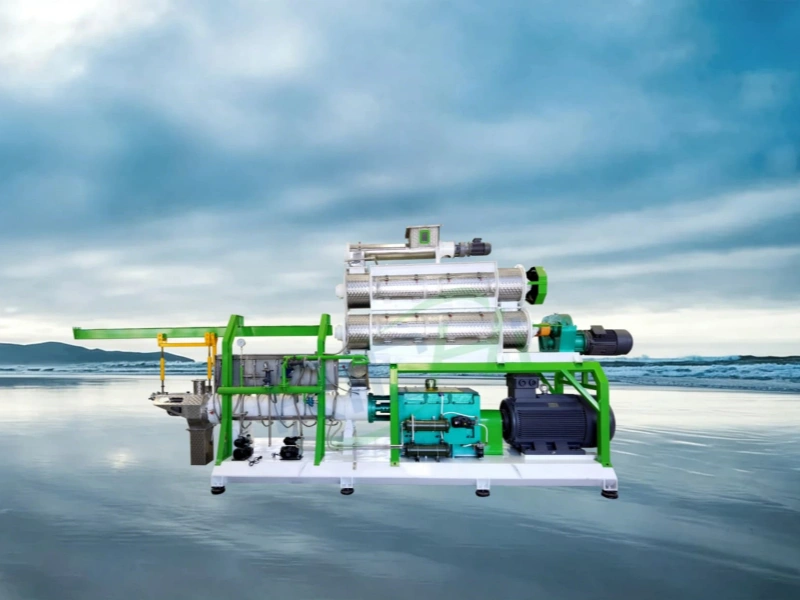
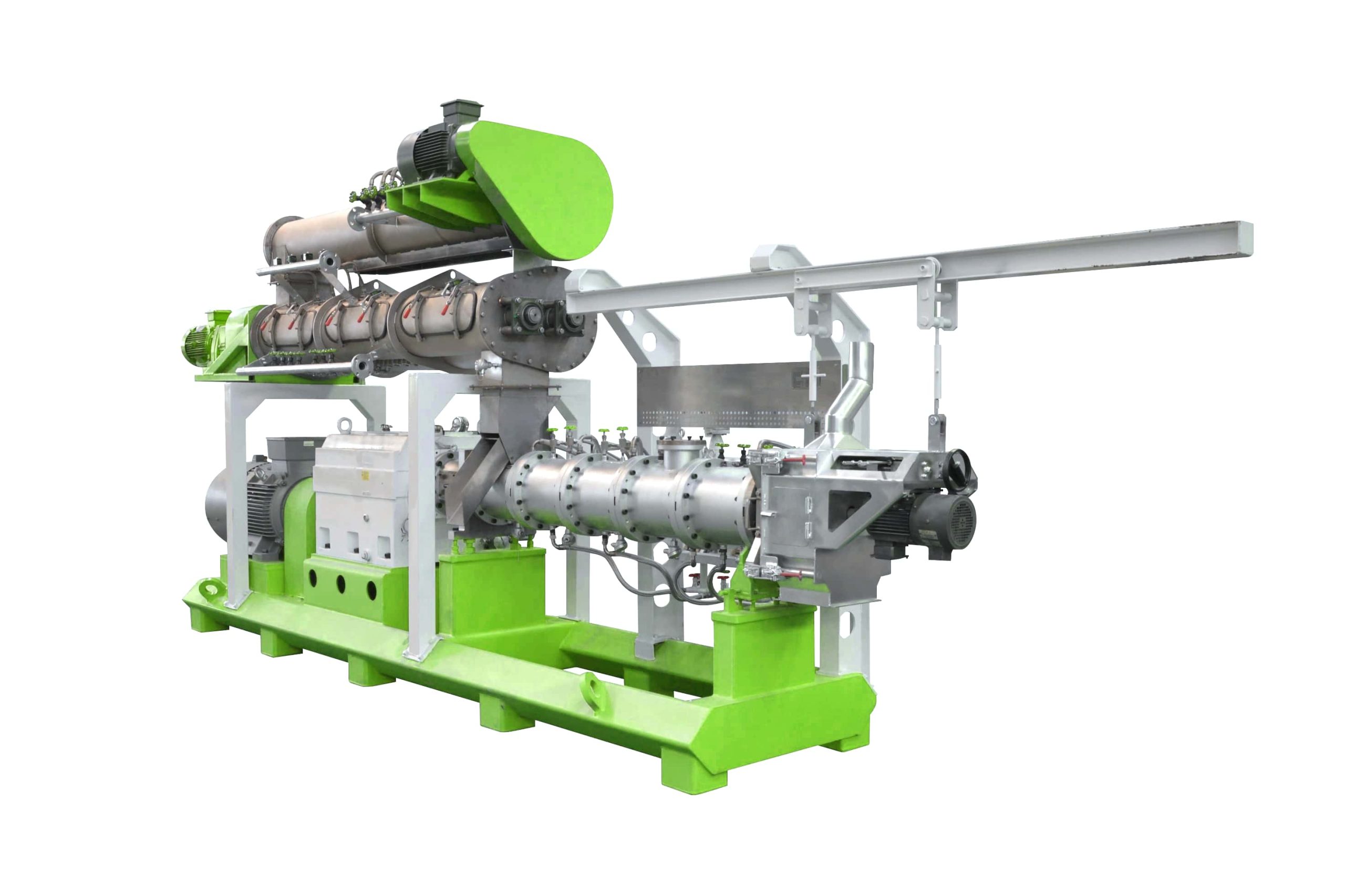
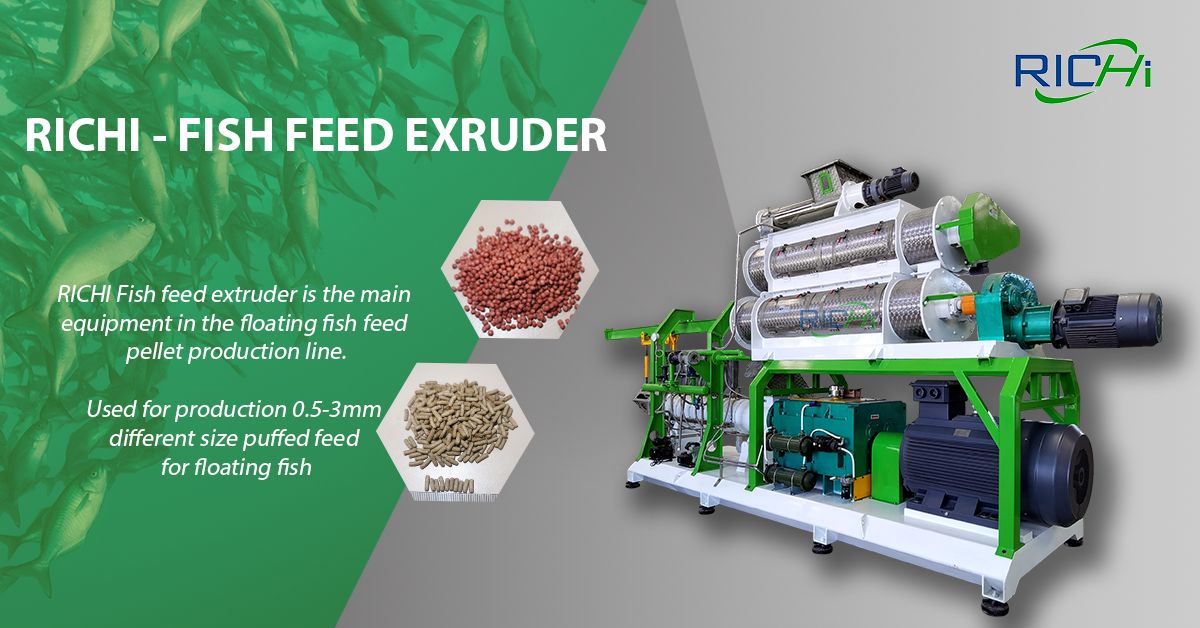
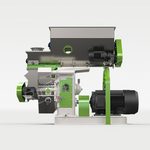
(Related machine: efficient wet type fish feed extruder)
4. Aquatic Feed Production Supports Different Fish Species
Fish farming involves many species with different nutritional requirements and feeding behaviors. A standardized feed solution cannot meet the needs of every aquaculture operation.
Advanced aquatic feed production allows manufacturers to develop customized feed solutions for different species, including:
- Tilapia
- Carp
- Catfish
- Salmon
- Trout
- Shrimp
- Ornamental fish
For example, carnivorous fish usually require higher levels of animal protein, while omnivorous species can utilize a greater proportion of plant-based ingredients.
A modern aqua feed manufacturing plant can adjust:
- Protein levels
- Fat content
- Pellet size
- Pellet density
- Floating or sinking characteristics
This flexibility enables farmers to provide suitable nutrition for different species and farming conditions, improving overall production efficiency.
https://richipelletizer.com/aqua-feed-plant
5. Aquatic Feed Production Helps Maintain Better Water Quality
Water quality management is one of the greatest challenges in intensive fish farming. Poor feed quality and excessive feeding can lead to nutrient accumulation, algae growth, oxygen depletion, and disease outbreaks.
High-quality aquatic feed helps maintain a healthier farming environment by reducing waste.
The advantages include:
Reduced Nutrient Loss
Well-processed pellets prevent excessive nutrient leakage into the water.
Improved Digestibility
Fish absorb more nutrients, resulting in less organic waste.
Better Feeding Control
Floating pellets allow farmers to monitor feeding activity and adjust feeding amounts.
When water quality remains stable, fish experience less stress and have stronger resistance to diseases. This reduces the need for treatments and improves farm productivity.
6. Automated Feed Manufacturing Improves Production Efficiency
As aquaculture operations become larger and more commercialized, feed manufacturers need efficient production systems to meet market demand.
A complete aquatic feed production system includes:
- Raw material cleaning
- Grinding
- Mixing
- Extrusion
- Drying
- Oil coating
- Cooling
- Screening
- Packaging
Automation plays an important role in improving production efficiency.
Modern automated systems provide:
Accurate Production Control
Automatic weighing and batching systems ensure consistent formulas.
Stable Product Quality
Advanced control systems maintain uniform pellet size, moisture content, and nutritional value.
Reduced Labor Costs
Automation decreases manual operation requirements and improves production safety.
Higher Production Capacity
Continuous operation allows manufacturers to supply large quantities of feed to commercial fish farms.
These advantages make automated feed production an important investment for modern aquaculture businesses.
7. The Importance of Raw Material Processing in Feed Production
The quality of aquatic feed depends not only on the formula but also on how raw materials are processed.
Before entering production, raw materials must be cleaned, ground, and mixed properly.
Grinding
Proper particle size improves nutrient availability and ensures better pellet formation.
Mixing
Uniform mixing guarantees that every feed pellet contains balanced nutrients.
Conditioning
Adding moisture and heat before extrusion improves pellet quality and processing performance.
A well-designed aqua feed manufacturing plant integrates these processes to ensure stable production and high-quality final products.
8. Sustainable Aquaculture Depends on Efficient Feed Production
Sustainability is becoming increasingly important in global aquaculture. Efficient feed production contributes to environmentally responsible fish farming by reducing resource consumption and minimizing waste.
Better feed efficiency means:
- Less feed required for fish growth
- Lower pressure on raw material resources
- Reduced waste discharge
- Improved environmental performance
Many modern feed manufacturers also focus on using alternative protein sources, improving energy efficiency, and optimizing production processes.
Through advanced manufacturing technology, aquatic feed production supports the transition toward greener and more sustainable aquaculture systems.
9. Economic Benefits of Building an Advanced Aqua Feed Manufacturing Plant
For investors and feed producers, establishing a modern aquatic feed production facility offers significant economic opportunities.
A well-designed aqua feed manufacturing plant can help businesses:
Expand Market Opportunities
High-quality aquatic feed is in strong demand as global fish farming continues to grow.
Reduce Production Costs
Efficient equipment lowers energy consumption, labor costs, and material losses.
Improve Product Competitiveness
Customized feed products allow manufacturers to serve different fish farming markets.
Increase Production Reliability
Automated systems ensure stable output and consistent product quality.
For commercial aquaculture companies, investing in advanced feed manufacturing technology is not only about producing feed but also about building a long-term competitive advantage.
10. Future Trends in Aquatic Feed Production
The future of fish farming will rely increasingly on intelligent, efficient, and sustainable feed production technologies.
Several trends are shaping the industry:
Intelligent Automation
Artificial intelligence and digital monitoring systems will improve production control and management.
Sustainable Ingredients
More manufacturers are exploring alternative protein sources to reduce dependence on traditional raw materials.
Customized Nutrition
Precision nutrition will allow feeds to be designed according to specific fish species, environments, and growth stages.
Energy-Efficient Manufacturing
Modern equipment will focus on reducing energy consumption and improving environmental performance.
These developments will continue to strengthen the connection between advanced feed production and successful aquaculture.
Conclusion
Aquatic feed production is a fundamental component of successful fish farming. High-quality feed directly affects fish growth, feed conversion efficiency, water quality, production costs, and overall profitability. As aquaculture becomes more intensive and competitive, the demand for advanced feed manufacturing solutions continues to increase.
A professional aqua feed pellet plant provides the technology needed to produce nutritious, stable, and customized aquatic feeds. Through scientific formulation, extrusion processing, automation, and quality control, modern feed production helps farmers maximize growth performance while reducing waste and environmental impact.
For the future development of global aquaculture, efficient aquatic feed production will remain a key factor in achieving sustainable, profitable, and environmentally responsible fish farming.