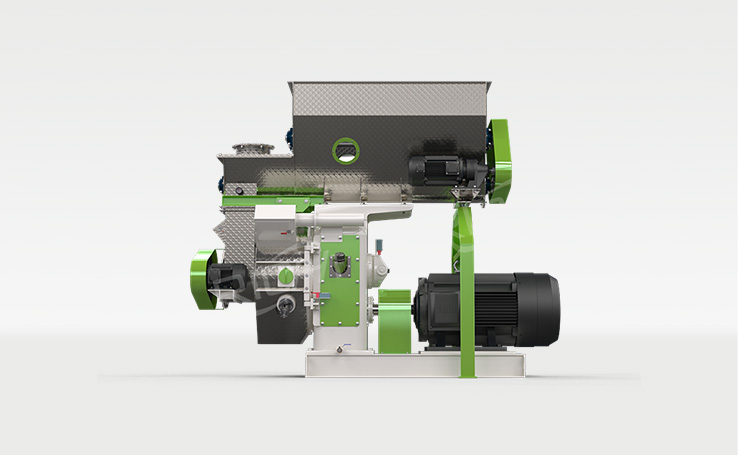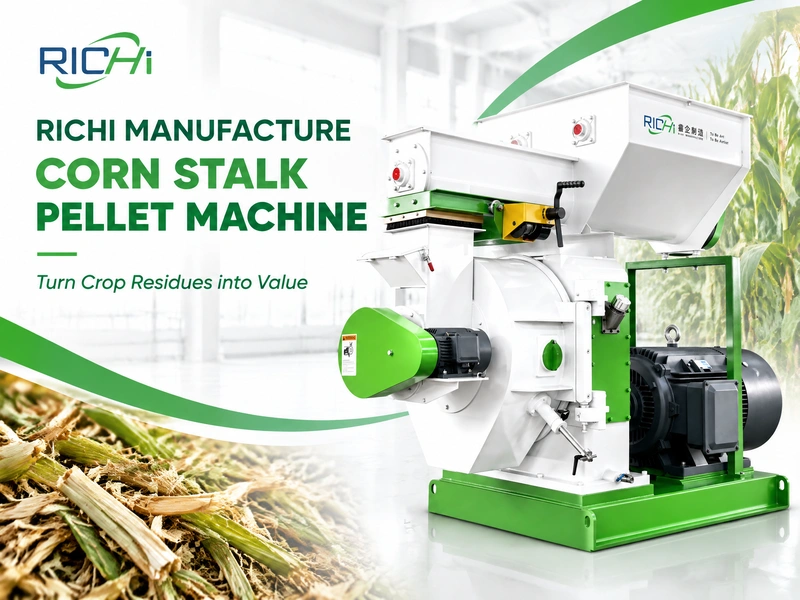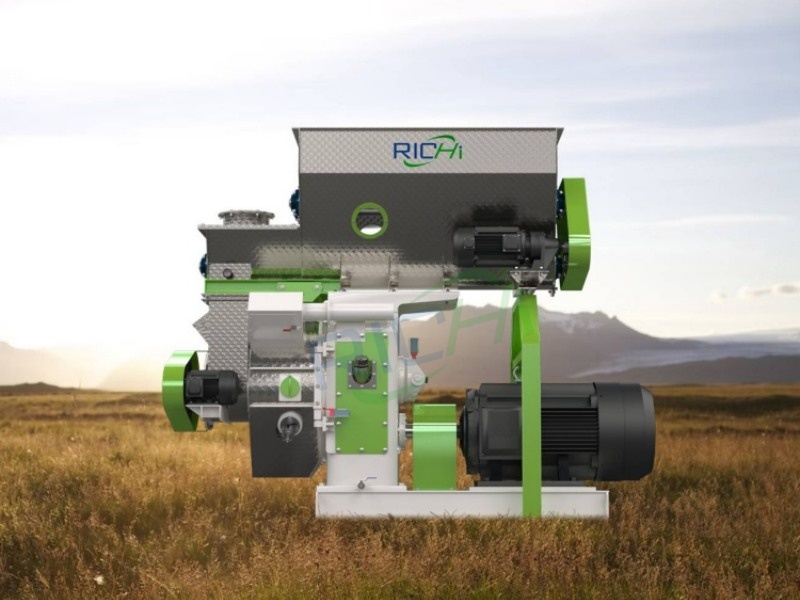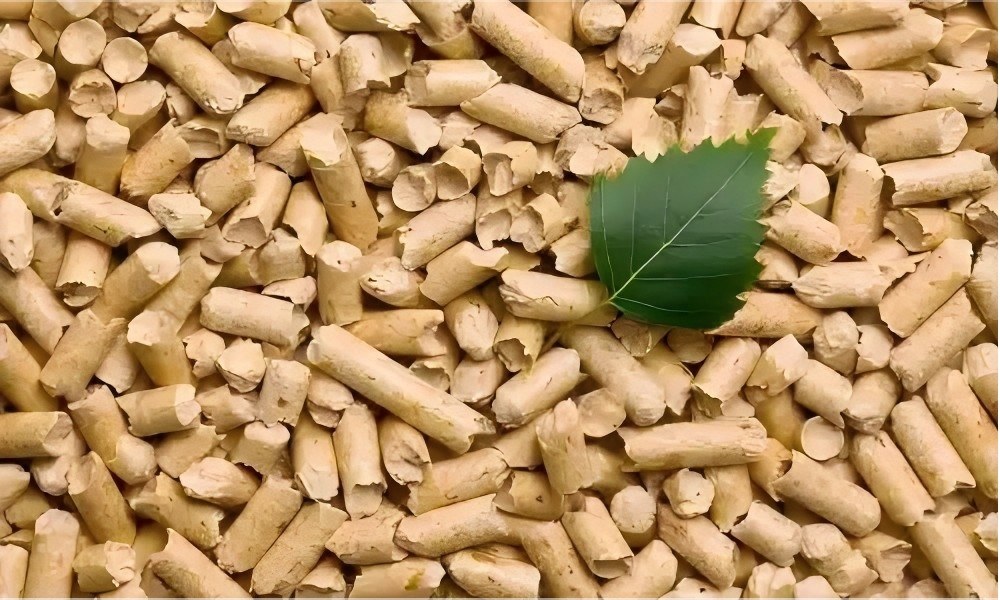

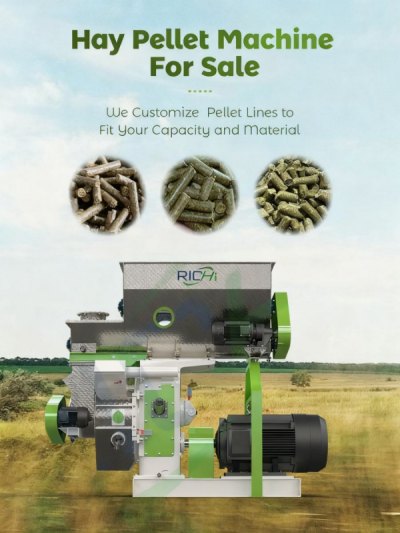
The agricultural industry continues to embrace efficient processing solutions, and the alfalfa hay pellet making machine has become essential equipment for converting forage crops into valuable pellets. Modern production facilities rely on these machines to process materials like alfalfa hay, straw, and other high-fiber forages into dense pellets for livestock feed and biomass fuel. The complete straw pellet plant for sale offers integrated solutions for operations seeking turnkey production capabilities.
Understanding Alfalfa Hay Pellet Making Machine Technology
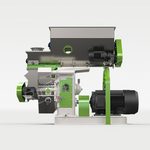
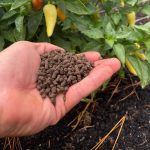
An alfalfa hay pellet making machine is specialized equipment designed to compress high-fiber forage materials into uniform pellets. Alfalfa, a perennial herb with 5-13 harvests per year, presents unique processing challenges due to its long fibers and resilient structure. Unlike ordinary pellet mills, alfalfa pelleting requires higher compression capacity while balancing pellet formation rate, equipment wear resistance, and long-term continuous operation capability.
The pellet press operates by forcing prepared material through a rotating ring die under high pressure. During the process, the material temperature rises due to friction between the roller-die assembly, typically reaching approximately 95°C. The natural lignin in the alfalfa acts as a binder, eliminating the need for chemical additives. Pre-conditioning to 10-11% moisture content and 76°C is typically performed before pelleting to ensure optimal pellet durability.
For more detailed information on alfalfa hay pellet making machine options, you can go to website for comprehensive resources.
Complete Straw Pellet Plant for Sale: Models and Specifications
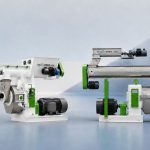
When evaluating a complete straw pellet plant for sale, capacity and configuration are key considerations. RICHI Machinery offers the CZLH series ring die pellet mills specifically designed for alfalfa and straw processing:
The CZLH320 produces 0.5-1 tons per hour with a 22 kW motor, while the CZLH350 delivers 1-2 tons per hour with a 37 kW motor. For medium-scale operations, the CZLH420 achieves 2-4 tons per hour with a 90 kW motor, and the CZLH520 produces 4-8 tons per hour with a 132 kW motor. Larger industrial models include the CZLH678 with 8-15 tons per hour capacity, and the CZLH768 achieving 15-20 tons per hour with a 250 kW motor.
A notable example is the 2T/H dehydrated alfalfa pellets mill installed at a family-run farm in North Yorkshire, UK. The client selected the CZLH420 model to process 100% dehydrated alfalfa from their own fields, producing pure alfalfa pellets for high-performance horses and dairy cows. The machine’s force feeder and anti-arch feeder are critical when working with light, fluffy forage that can otherwise bridge in the hopper.
Complete Production Line Integration
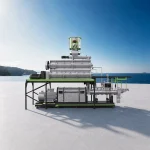
A comprehensive complete straw pellet plant for sale integrates multiple stages beyond the pellet machine. The complete production line includes bale breaking and shredding for opening compacted bales, fine grinding for reducing fiber size, pelletizing through the ring die pellet press, cooling and screening for stabilizing pellets and removing fines, and packing and storage for final product handling.
For a 500 kg/h capacity line processing wheat straw, corn stalk, and alfalfa hay, the system includes an 11 kW hammer mill for crushing, a 37 kW ring die pellet machine, and a cooling system. The production process follows a structured sequence: raw materials are fed into the hammer mill and crushed into powders, then transported via screw conveyor to the pellet machine for compression into uniform pellets, followed by cooling to reduce temperature and stabilize quality.
Argentina recently launched a 3-4 tons per hour alfalfa bale pellet plant engineered by RICHI Machinery. The project was designed specifically for direct bale-to-pellet processing, incorporating heavy-duty shredding and milling systems capable of handling dense, fibrous alfalfa. The plant is expected to produce over 20,000 tons of alfalfa pellets annually, reducing logistical costs by as much as 30% compared to shipping loose bales.
Quality Considerations and Best Practices
Achieving consistent pellet quality requires careful attention to several parameters. Raw material moisture content should be controlled for optimal pellet formation. Particle size must be reduced appropriately before pelletizing. Freshly formed pellets require cooling to ambient temperature to harden and strengthen them prior to bagging.
The ring die and pressure roller made of high-quality materials provide extended service life and reduce maintenance costs. For more detailed information on complete straw pellet plant for sale options, you can go to website for comprehensive manufacturing solutions.
Summary
Investing in an alfalfa hay pellet making machine with a complete straw pellet plant for sale offers a strategic opportunity to convert forage crops into valuable feed or fuel pellets. The combination of advanced pellet press technology with integrated processing systems delivers consistent quality and operational efficiency. For detailed specifications and equipment options, you can go to website for comprehensive manufacturing solutions tailored to your specific capacity requirements and raw material sources.
view details : https://www.richimanufacture.com/hay-pellet-machine-for-sale/