

The Changing Landscape of Global Aquaculture
Aquaculture has become a vital part of the global food supply chain. With increasing demand for fish, shrimp, and other aquatic products, producers are facing new challenges in improving productivity while maintaining quality and sustainability.
In the past, many fish farms focused mainly on increasing production volume. However, modern aquaculture requires a more comprehensive approach that includes better feed management, advanced processing technology, and efficient resource utilization.
Feed is at the center of this transformation. High-quality aquatic feed helps improve growth performance, reduce waste, and maintain healthier farming environments. As a result, more businesses are investing in professional feed manufacturing facilities equipped with advanced processing technology.
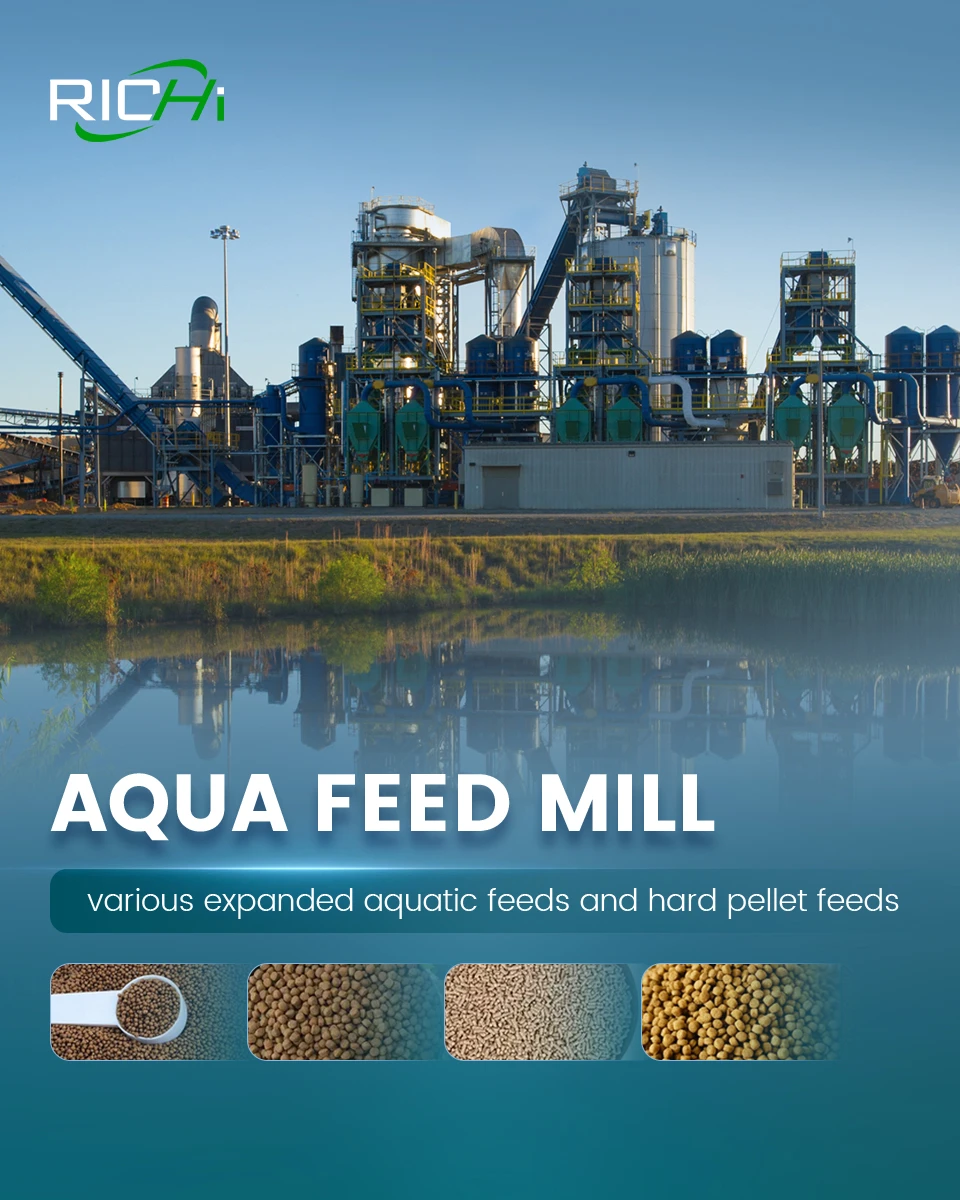
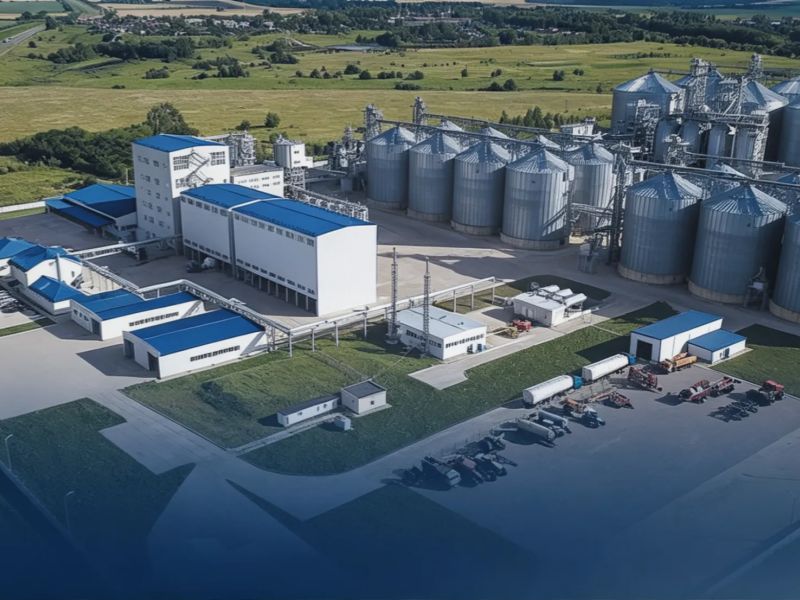
A modern aquatic feed plant provides a complete solution for producing different types of aquatic feed, including floating fish feed, sinking feed, shrimp feed, and specialized nutrition products. These facilities combine multiple production processes to ensure consistent quality and efficient output.
The development of intelligent feed factories is changing how the aquaculture industry approaches production. By integrating advanced machinery and optimized workflows, businesses can achieve higher efficiency and better market competitiveness.
Why Modern Aquatic Feed Plants Are Becoming Essential
The expansion of aquaculture has created higher expectations for feed manufacturers. Customers now require feed products that provide excellent nutrition, stable performance, and reliable quality.
Traditional feed production methods often faced limitations, such as uneven mixing, inconsistent pellet size, and poor water stability. These issues could lead to feed waste and increased operating costs.
Modern aquatic feed plants solve these problems by introducing advanced equipment and automated production systems.
A professional feed factory can provide:
Consistent Product Quality
Automated production processes ensure that every batch of feed maintains similar nutritional and physical characteristics.
Higher Production Efficiency
Integrated equipment reduces manual operations and improves production speed.
Better Resource Utilization
Precise processing helps reduce material loss and improves feed conversion efficiency.
Flexible Product Development
Manufacturers can adjust formulas and pellet characteristics according to different species and market requirements.
These advantages make modern feed plants an important investment for companies seeking long-term growth in the aquaculture industry.
The Importance of Twin Screw Extrusion Technology
Among all feed processing technologies, extrusion plays a particularly important role in aquatic feed manufacturing. The extrusion process improves digestibility, enhances pellet stability, and allows manufacturers to produce different feed types.
Twin screw extrusion technology has become widely used because of its excellent processing performance.
Compared with traditional methods, twin screw systems provide stronger mixing ability and better control over processing conditions. This allows manufacturers to handle complex feed formulas containing different proteins, oils, starches, and functional ingredients.
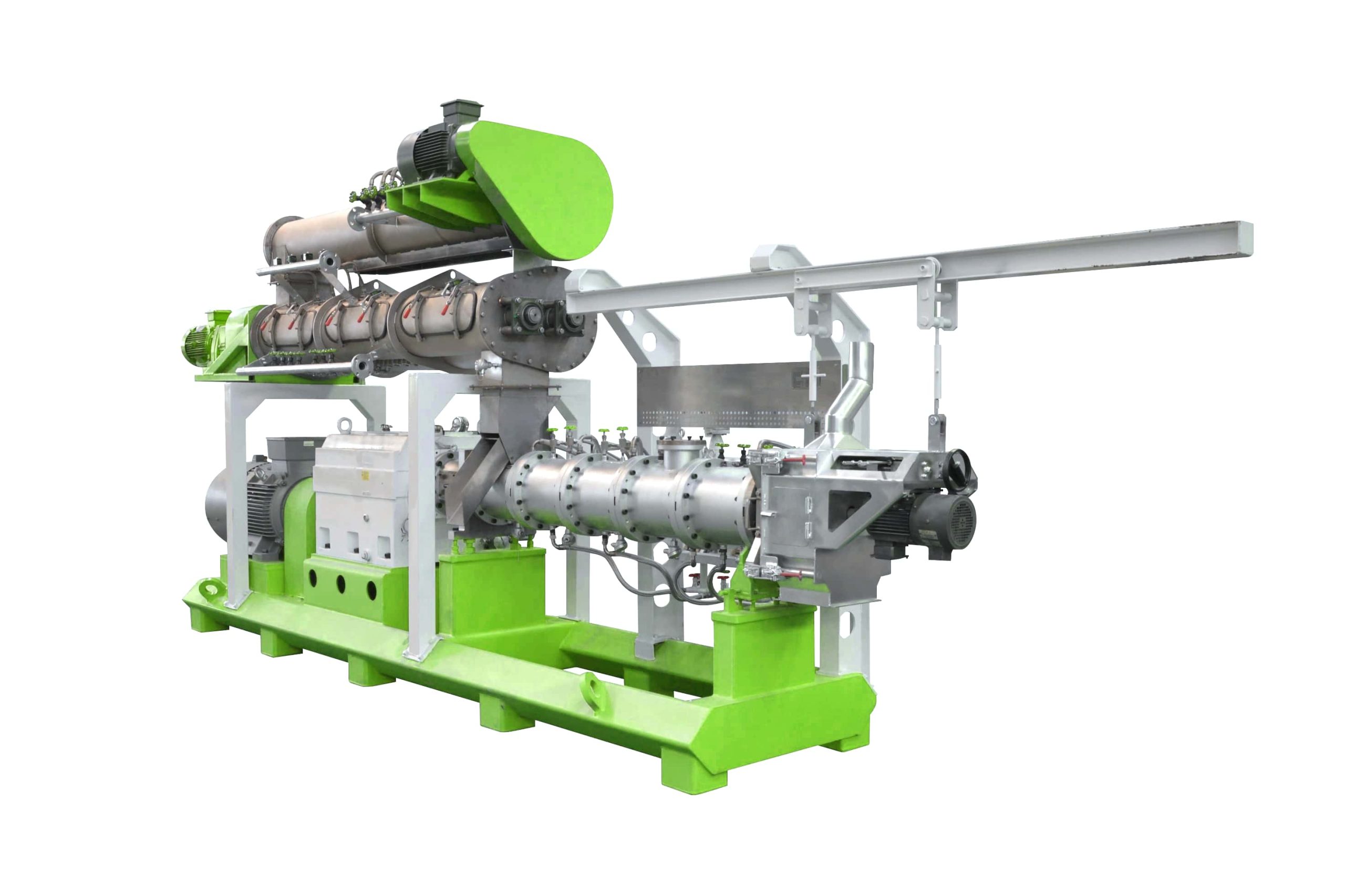
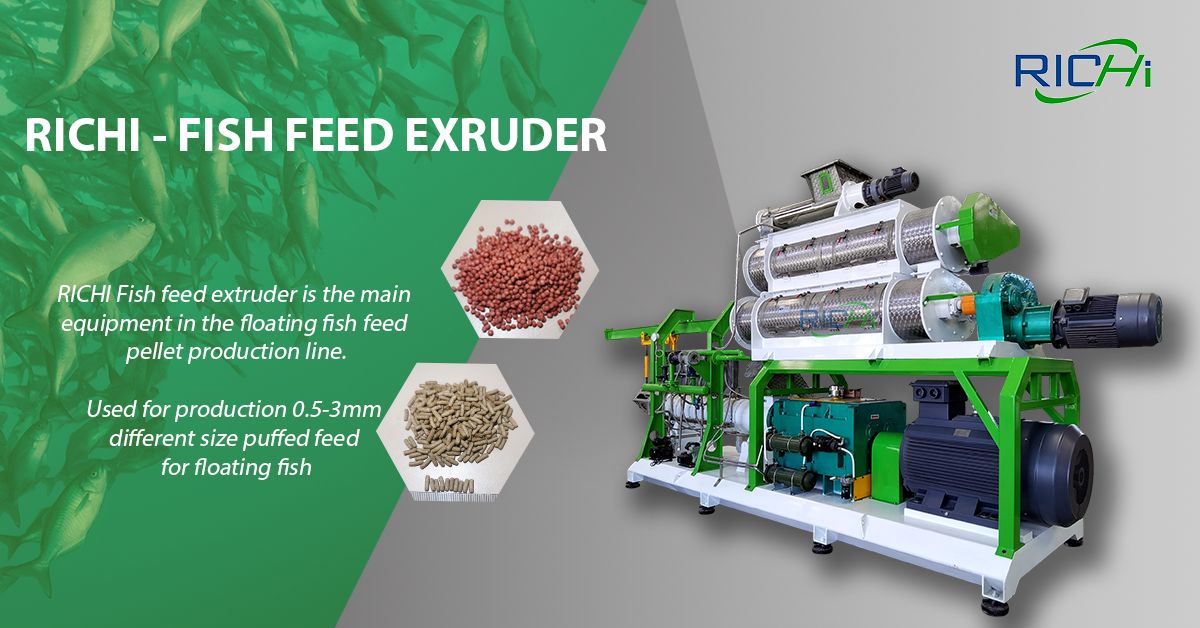
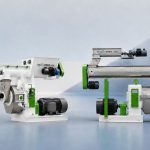
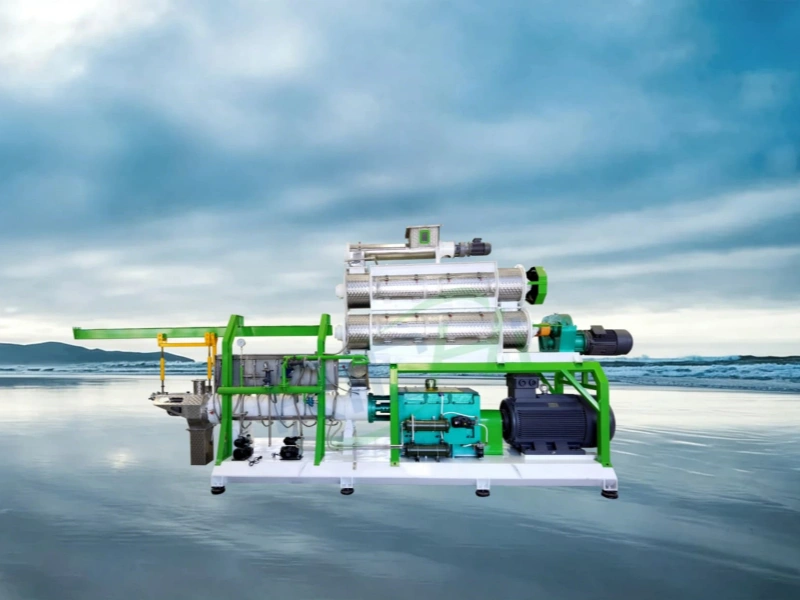
A professional twin screw fish feed extruder helps manufacturers achieve stable production while maintaining high pellet quality. It is especially suitable for producing floating feed and other specialty aquatic products that require precise processing control.
The ability to adjust temperature, pressure, and moisture conditions gives manufacturers greater flexibility when developing new feed products.
Building a Complete Aquatic Feed Manufacturing System
A successful aquatic feed production project requires careful planning and coordination between different processing stages.
Ingredient Handling
The production process begins with proper storage and preparation of raw materials. Common ingredients include fish meal, soybean meal, grains, oils, vitamins, and minerals.
Crushing and Mixing
Grinding ensures suitable particle size, while mixing creates a uniform feed formula. Accurate mixing is essential for maintaining nutritional balance.
Extrusion Processing
During extrusion, the feed mixture is transformed into pellets under controlled conditions. This stage determines important characteristics such as floating ability, hardness, and water stability.
(Related Post: https://www.richipelletmill.com/sinking-fish-feed-extruder-machine/)
Drying and Surface Treatment
After extrusion, pellets are dried to achieve suitable moisture levels. Some products may also receive oil spraying or coating treatments to improve nutritional value.
Cooling and Packaging
Final products are cooled, screened, and packaged for transportation and storage.
Each stage contributes to final feed quality, which is why professional production planning is necessary.
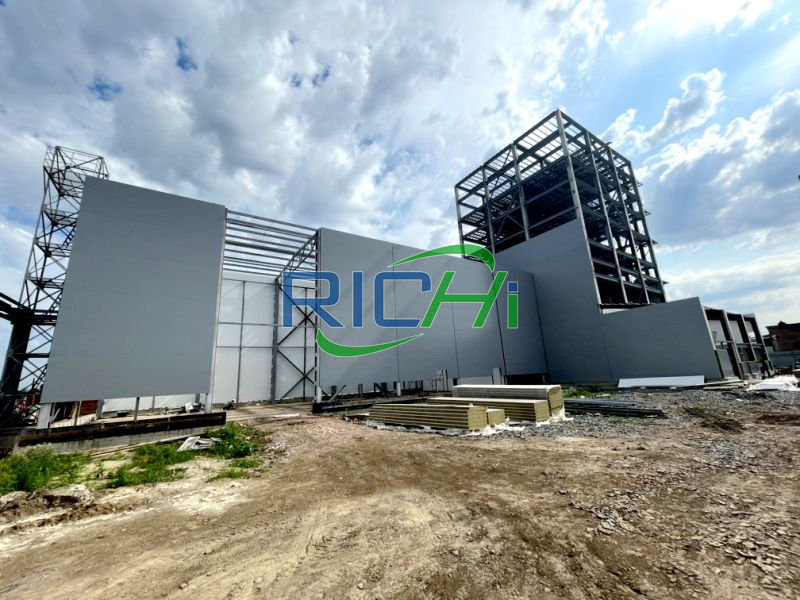
For businesses considering expansion, production capacity selection is an important decision. A 5-6 T/H aqua feed manufacturing plant for sale can serve as a reference for companies planning large-scale aquatic feed production with stable commercial output.
Improving Business Performance Through Automation
Automation is one of the most important trends in modern feed manufacturing. Intelligent systems allow operators to monitor production conditions and improve management efficiency.
Automated feeding systems help maintain accurate ingredient ratios. Digital monitoring systems provide real-time production information. Advanced control systems reduce human error and improve consistency.
Automation also supports better cost management. By optimizing energy use and reducing unnecessary material waste, companies can improve overall profitability.
For large feed manufacturers, automation is no longer just an optional improvement. It has become a key factor in maintaining competitiveness in a rapidly developing market.
Choosing Reliable Technology Partners
Selecting the right equipment supplier is an important step when developing an aquatic feed production project.
A reliable supplier should provide more than individual machines. Professional companies offer complete solutions, including production planning, equipment configuration, installation guidance, and technical support.
Important evaluation factors include:
- Industry experience
- Equipment quality
- Customization capability
- After-sales service
- Production references
Experienced manufacturers understand that different customers have different requirements. Feed type, production capacity, raw materials, and target markets all influence equipment selection.
Companies such as Richi Pellet Machine provide professional feed processing solutions designed for different production scenarios. Their experience helps customers develop practical and efficient manufacturing systems.
Sustainable Development Through Better Feed Solutions
Sustainability has become a major concern in modern aquaculture. As production expands, companies must find ways to increase output while reducing environmental impact.
Advanced feed technology supports sustainable development in several ways.
First, better pellet quality improves nutrient absorption, reducing unnecessary feed waste.
Second, efficient production systems reduce energy consumption and improve resource utilization.
Third, specialized feed formulas allow farmers to provide appropriate nutrition for different aquatic species.
These improvements contribute to healthier farming environments and more responsible seafood production.
Businesses interested in understanding more about modern aquatic feed solutions can about this to explore additional information about production technology, equipment applications, and industry trends.
The Future of Aquatic Feed Manufacturing
The future of aquaculture will depend heavily on innovation. As customer expectations increase, feed manufacturers must continue improving production efficiency and product quality.
Future developments are likely to include:
- More intelligent manufacturing systems
- Greater production automation
- More customized feed products
- Improved energy-saving technologies
- Stronger focus on sustainable ingredients
Modern aquatic feed plants will continue to evolve from traditional production facilities into highly efficient and technology-driven manufacturing centers.
Conclusion
The success of modern aquaculture depends on reliable feed production systems. High-quality feed improves fish growth, reduces waste, and supports sustainable farming practices.
By adopting advanced extrusion technology, automation systems, and professional production solutions, businesses can build efficient aquatic feed factories that meet future market demands.
As global demand for aquatic products continues to grow, smart feed manufacturing will become increasingly important. Companies that invest in advanced technology today will be better positioned to succeed in the competitive aquaculture industry of tomorrow.