




The global biomass industry has changed significantly over the past decade. While production capacity remains important, many successful pellet manufacturers have discovered that profitability depends far more on efficiency, flexibility, and operational consistency than on simply producing more tons per hour.
Whether producing wood pellets, agricultural waste pellets, or industrial fuel pellets, manufacturers face growing pressure from rising raw material costs, labor shortages, stricter environmental requirements, and increasingly competitive markets. As a result, companies are searching for smarter ways to optimize production rather than merely expanding output.
This shift has encouraged producers to rethink every stage of the manufacturing process—from raw material preparation to pelleting, cooling, packaging, and storage.
Understanding the Real Cost of Pellet Production
Many newcomers assume that pellet manufacturing is a straightforward process. In reality, the quality of raw materials can dramatically affect production efficiency.
Moisture fluctuations, inconsistent particle sizes, contamination, and poor storage conditions often lead to:
- Increased energy consumption
- Reduced pellet density
- Higher maintenance costs
- Frequent equipment downtime
- Lower product quality
Experienced operators understand that improving raw material consistency often generates greater returns than investing in larger equipment.
For example, properly processed wood chips with stable moisture levels can significantly improve pellet durability while reducing wear on critical machinery components.
As markets become increasingly competitive, businesses that control production variables effectively are often better positioned to achieve sustainable profitability.
Why Modern Plants Prioritize Process Integration
One of the biggest trends in the biomass sector is the move toward integrated production systems.
Rather than purchasing individual machines from multiple suppliers, many investors now prefer complete solutions that ensure compatibility between all processing stages.
A well-designed 3-4 T/H wood pellet manufacturing plant solution can help producers achieve:
- Balanced production flow
- Reduced bottlenecks
- Lower energy consumption
- Easier maintenance planning
- Improved automation capabilities
When equipment is engineered as part of a complete system, operational efficiency typically increases while long-term maintenance costs decrease.
This integrated approach also allows manufacturers to scale production more easily as market demand grows.
The Role of Advanced Pelletizing Technology
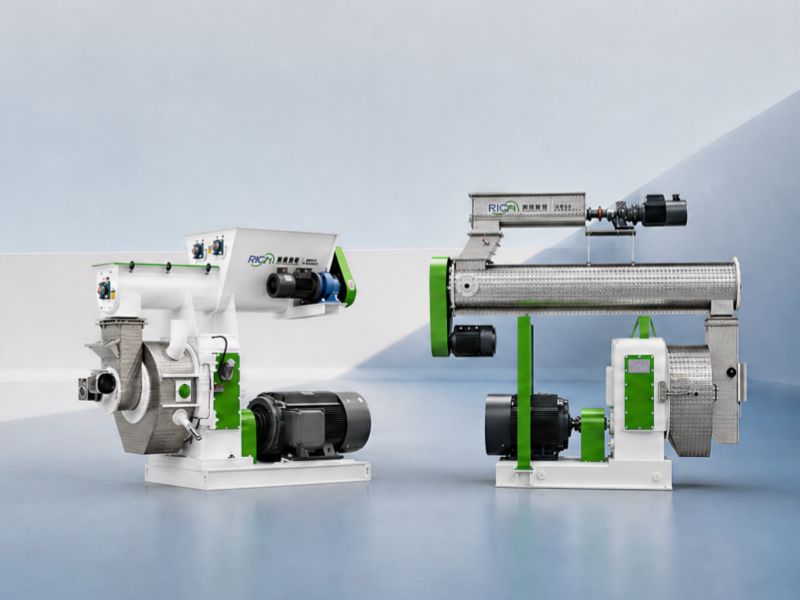
The pellet mill remains the heart of every biomass production line.
Over the years, pelletizing technology has evolved considerably. Manufacturers now focus on maximizing output while minimizing power consumption and die wear.
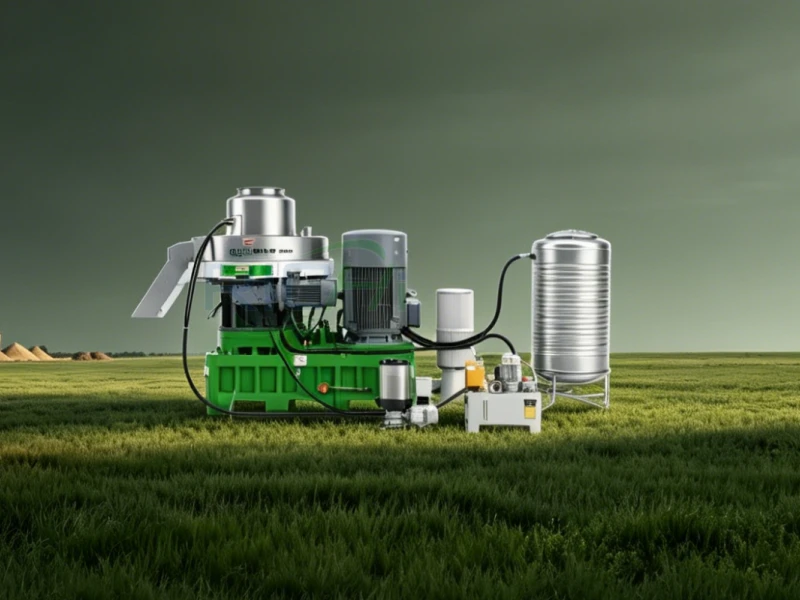
One technology attracting increasing attention is the vertical biomass pellet mill.
Unlike traditional configurations, vertical pelletizing systems often provide advantages such as:
Better Material Distribution
Gravity-assisted feeding can improve the consistency of material flow into the pelleting chamber.
Enhanced Cooling Performance
The vertical design can contribute to more efficient heat dissipation during operation.
Improved Die Utilization
Uniform pressure distribution may help extend die lifespan and improve pellet quality.
Greater Adaptability
Many operators use vertical systems to process a wider range of biomass materials, including:
- Wood sawdust
- Rice husks
- Straw
- Corn stalks
- Forestry residues
- Agricultural by-products
As feedstock diversity becomes increasingly important, flexibility has become a key factor in equipment selection.
Market Opportunities Beyond Traditional Wood Pellets
Although wood pellets remain the dominant biomass fuel globally, numerous alternative materials are gaining commercial value.
Agricultural residues represent one of the most promising opportunities.
Materials such as:
- Wheat straw
- Rice straw
- Corn stover
- Palm waste
- Sugarcane bagasse
often remain underutilized despite their significant energy potential.
Many governments are encouraging the conversion of agricultural waste into renewable fuel products as part of broader sustainability initiatives.
This creates opportunities for entrepreneurs who can develop reliable processing systems capable of handling diverse feedstocks.
The ability to process multiple raw materials can reduce dependence on a single supply source while improving resilience against market fluctuations.
Common Mistakes New Investors Should Avoid
Entering the biomass industry can be highly rewarding, but several common mistakes frequently reduce profitability.
Choosing Equipment Based Solely on Price
Low-cost machinery often appears attractive during the investment phase.
However, equipment with poor manufacturing quality may generate:
- Higher maintenance expenses
- Increased downtime
- Reduced pellet quality
- Lower production efficiency
The initial savings can quickly disappear through operational losses.
Ignoring Feedstock Analysis
Different biomass materials behave differently during pelletization.
Failing to conduct proper feedstock testing can result in unexpected challenges after installation.
Underestimating Storage Requirements
Raw materials and finished pellets both require suitable storage conditions.
Moisture exposure can negatively impact product quality and increase waste.
Neglecting Future Expansion
Facilities designed without expansion considerations may face costly modifications later.
Planning for future growth from the beginning often proves more economical.
(Related Post: https://www.richipelletmill.com/vertical-ring-die-pellet-mill/ )
Automation Is Becoming a Competitive Advantage
Automation is transforming pellet manufacturing around the world.
Modern control systems can continuously monitor:
- Material flow
- Motor loads
- Temperature
- Moisture content
- Production rates
By collecting and analyzing real-time data, operators can identify inefficiencies before they become major problems.
Automated systems also reduce dependence on manual adjustments, improving consistency across production shifts.
For larger facilities, automation can significantly improve labor productivity while reducing operational risk.
Sustainability Is Driving New Investment
The global push toward renewable energy continues to create demand for biomass products.
Many countries are implementing policies aimed at reducing fossil fuel dependence and lowering carbon emissions.
Biomass pellets play an increasingly important role in:
- Industrial heating
- Power generation
- Commercial energy systems
- Residential heating applications
Investors recognize that sustainability trends are likely to remain strong for years to come.
Companies capable of producing high-quality pellets efficiently may benefit from expanding domestic and international demand.
Evaluating Equipment Suppliers Effectively
Selecting the right equipment partner is often as important as choosing the machinery itself.
Successful projects typically involve suppliers that provide:
Engineering Support
Professional design assistance helps optimize plant layout and workflow.
Feedstock Evaluation
Material testing can identify potential processing challenges before installation.
Installation Guidance
Proper commissioning helps minimize startup issues.
Technical Training
Well-trained operators are essential for maintaining long-term performance.
After-Sales Service
Reliable support can significantly reduce downtime when maintenance is required.
Many investors therefore evaluate suppliers based not only on equipment specifications but also on technical expertise and service capabilities.
Companies such as Richi Pellet Mill have gained attention among biomass producers because of their experience in designing complete pellet production systems for various raw materials and capacity requirements.
Digitalization Is Shaping the Future of Pellet Manufacturing
Another emerging trend is the use of digital technologies to improve operational performance.
Remote monitoring platforms now allow managers to track production data from virtually anywhere.
Predictive maintenance systems can analyze equipment conditions and identify potential failures before they occur.
Benefits include:
- Reduced downtime
- Lower repair costs
- Increased equipment lifespan
- Better production planning
As technology becomes more accessible, digital solutions are expected to become standard features in modern biomass facilities.
Building a Business Instead of Just a Production Line
Many successful pellet producers emphasize a crucial lesson:
The goal is not simply to build a factory.
The goal is to build a sustainable business.
This requires attention to:
- Raw material sourcing
- Market demand
- Logistics
- Product quality
- Operational efficiency
- Customer relationships
Companies that focus only on machinery often overlook these equally important factors.
A comprehensive strategy helps ensure long-term profitability even as market conditions evolve.
Final Thoughts
The biomass pellet industry continues to present attractive opportunities for investors and manufacturers worldwide. However, success increasingly depends on efficiency, adaptability, and strategic planning rather than production volume alone.
By investing in advanced technologies such as the vertical biomass pellet mill, implementing integrated systems like a 3-4 T/H wood pellet manufacturing plant solution, and working with experienced suppliers such as Richi Pellet Mill, producers can position themselves for sustainable growth in a competitive market.
For businesses exploring new pellet production opportunities or seeking ways to optimize existing operations, industry resources and technical insights can provide valuable guidance. To learn more about current biomass processing trends and practical production strategies, find out here now and continue exploring solutions that align with your long-term business objectives.