Agriculture is one of the oldest and most essential human activities, providing food, raw materials, and employment for billions of people worldwide. However, modern agricultural production also generates enormous quantities of waste. After each harvest season, fields are often left with large amounts of crop residues such as straw, stalks, husks, shells, and leaves. These materials, collectively known as agricultural waste, have traditionally been considered a burden rather than a resource.
In many regions, especially in developing agricultural economies, crop residues are commonly burned in open fields to quickly clear land for the next planting cycle. While this method is inexpensive and fast, it has severe environmental consequences. Open burning releases large amounts of carbon dioxide, carbon monoxide, methane, and fine particulate matter into the atmosphere, contributing to air pollution, smog formation, and climate change. It also wastes a potentially valuable source of renewable energy.
As global concerns about environmental protection and sustainable development continue to grow, governments, industries, and researchers are seeking alternative ways to manage agricultural waste. One of the most promising solutions is the conversion of crop residues into biomass pellets. This approach not only reduces environmental pollution but also transforms waste into a useful energy resource that can replace fossil fuels.
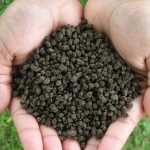
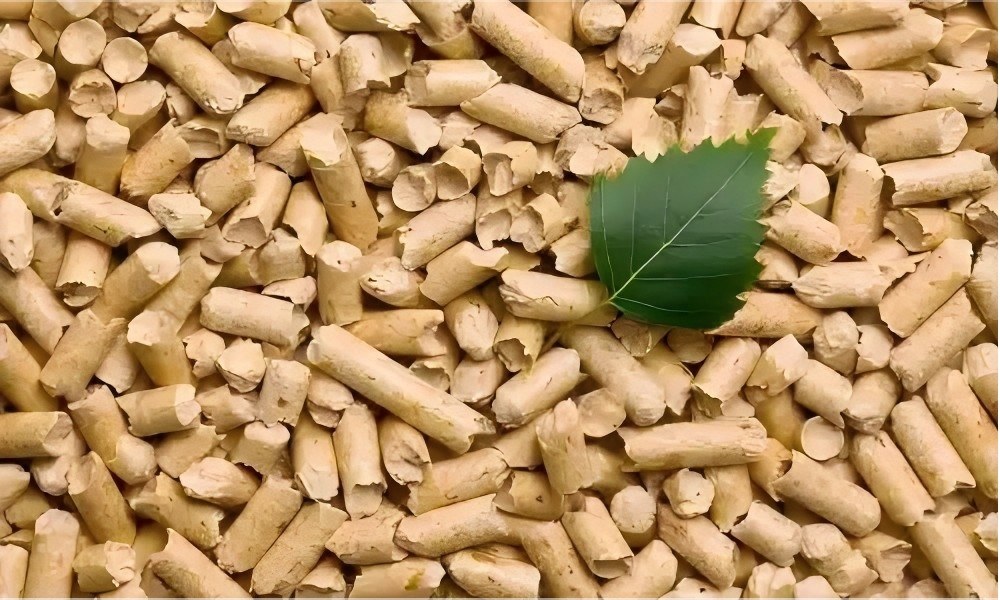
Agricultural waste pellets are compact, cylindrical fuel products made by compressing raw biomass materials under high pressure. They are widely used in industrial heating systems, power plants, residential heating devices, and other energy applications. Compared to raw agricultural residues, pellets have higher energy density, lower moisture content, and more stable combustion characteristics.
The environmental benefits of agricultural waste pelletization are significant and multi-dimensional. It helps reduce air pollution, lower greenhouse gas emissions, improve waste management efficiency, and promote a circular economy. Instead of being burned or discarded, crop residues are collected and processed into clean energy, creating value from materials that were previously considered useless.
The process of converting agricultural waste into pellets involves several key stages, including collection, preprocessing, drying, size reduction, pelletizing, cooling, and packaging. Each stage plays a critical role in ensuring the efficiency, quality, and environmental performance of the final product.
The process begins with the collection of agricultural residues from farms and fields. After crops such as wheat, rice, corn, or sugarcane are harvested, a large amount of leftover biomass remains. In traditional farming systems, these residues are often burned in place, contributing to severe seasonal air pollution in many agricultural regions. However, when properly collected, these materials can serve as a renewable feedstock for pellet production.
Once collected, the raw materials are transported to processing facilities. At this stage, the biomass may contain impurities such as soil, stones, or plastic residues. Cleaning and screening systems are used to remove these contaminants, ensuring that only suitable organic materials enter the production process.
Size reduction is the next important step. Agricultural residues such as straw and stalks are typically long, fibrous, and uneven in structure. These characteristics make them unsuitable for direct pelletization. Crushing or chopping equipment is used to reduce the material into smaller, more uniform particles. This improves material handling and enhances the efficiency of subsequent processing stages.
Moisture control is another critical factor in pellet production. Fresh agricultural residues often contain high levels of moisture, depending on weather conditions and storage methods. Excess moisture can reduce combustion efficiency and make pellet formation difficult. Therefore, drying systems are used to adjust moisture content to an optimal level for pelletization.
After preprocessing, the material enters the pelletizing stage, which is the core of the entire production process. In this stage, biomass is compressed under high pressure through a die to form dense, uniform pellets. The heat generated during compression softens natural lignin in the plant material, which acts as a binding agent. This allows the biomass particles to bond together without the need for chemical additives.
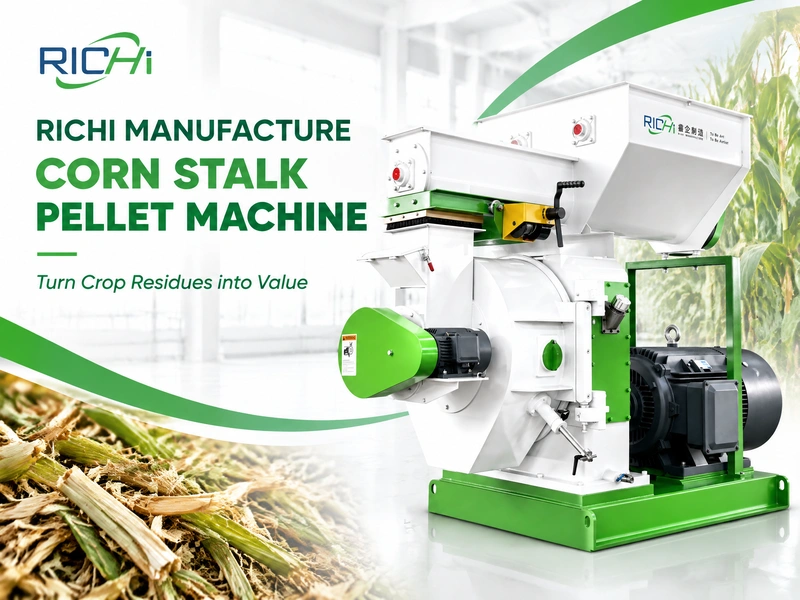
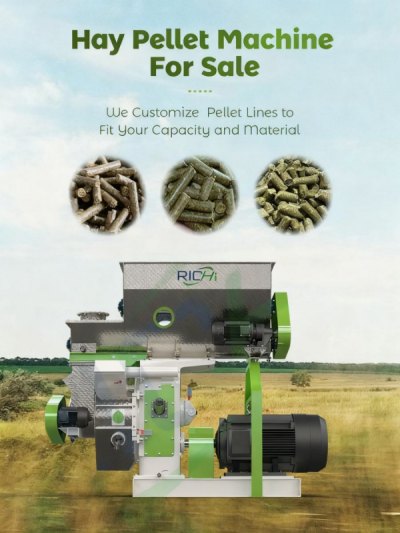
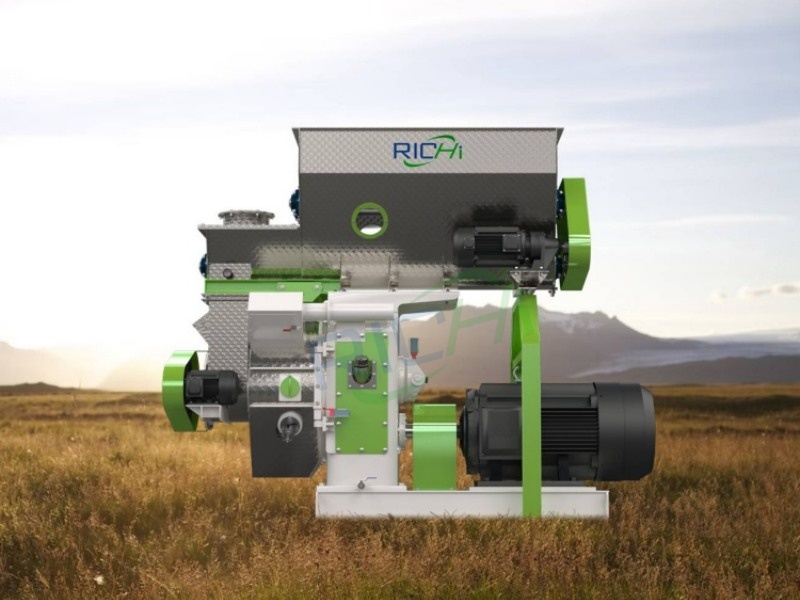
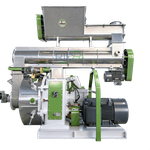
A key piece of equipment in this process is the straw pellet making machine, which is specifically designed to handle fibrous agricultural residues. Unlike machines used for wood-based materials, a straw pellet making machine must accommodate the unique physical properties of straw, including its low density, high fiber content, and variable moisture levels. It applies strong mechanical pressure to transform loose straw into compact, energy-rich pellets.
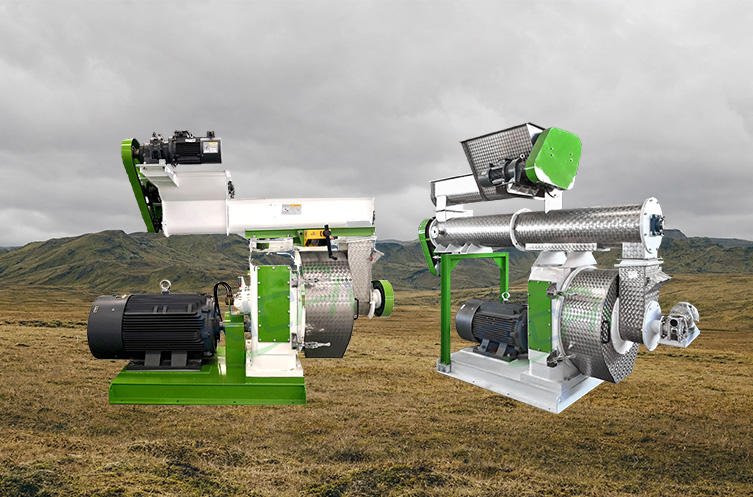
The use of a straw pellet making machine plays a central role in improving environmental outcomes. By efficiently converting crop residues into fuel, it eliminates the need for open-field burning and significantly reduces air pollution. At the same time, it enhances resource utilization by turning agricultural waste into a valuable energy product.
https://richipelletizer.com/straw-pellet-machine-for-sale
After pellet formation, the newly produced pellets are discharged at high temperature and must be cooled before storage. Cooling stabilizes the pellet structure, increases hardness, and reduces the risk of breakage during transportation. Without proper cooling, pellets may degrade or absorb moisture from the environment.
Once cooled, the pellets are screened to remove fines and broken particles. These materials are typically recycled back into the production system, improving efficiency and reducing waste. The final pellets are uniform in size, dense in structure, and suitable for long-term storage and transportation.
Packaging and storage are the final steps in the production process. Depending on market requirements, pellets may be packaged in small bags for household use or large bulk containers for industrial applications. Proper storage conditions are essential because biomass pellets can absorb moisture, which may affect their combustion performance and energy efficiency.
One of the most significant environmental benefits of agricultural waste pellet production is the reduction of air pollution. Open burning of crop residues releases large amounts of harmful pollutants, including particulate matter (PM2.5), nitrogen oxides, and volatile organic compounds. These pollutants contribute to respiratory diseases, smog formation, and reduced air quality. By converting residues into pellets instead of burning them, these emissions can be dramatically reduced.
(Learn more about industrial straw pellet plant)
Another major benefit is the reduction of greenhouse gas emissions. When agricultural waste is burned in the open, it releases carbon dioxide and methane directly into the atmosphere. In contrast, biomass pellets are considered carbon-neutral because the carbon released during combustion is offset by the carbon absorbed by plants during growth. This makes pellet-based energy a more sustainable alternative to fossil fuels.
Agricultural waste pelletization also helps improve soil and land management practices. In traditional systems, leaving crop residues in the field or burning them can negatively impact soil quality and microbial activity. By removing residues for pellet production, farmers can better manage land preparation while also generating additional income from waste materials.
From an economic perspective, the adoption of biomass pellet technology creates new value chains in rural areas. Farmers can sell crop residues instead of burning them, while local industries can invest in pellet production facilities. This supports rural development, creates jobs, and encourages more sustainable agricultural practices.
At the industrial level, biomass pellets are increasingly used as a substitute for coal and other fossil fuels. Industries such as cement production, textile manufacturing, food processing, and power generation are adopting pellet-based energy systems to reduce emissions and comply with environmental regulations. This shift is contributing to a broader transition toward cleaner industrial energy use.
Technological advancements have also improved the efficiency and reliability of biomass pellet production systems. Modern equipment, including the straw pellet making machine, is now equipped with automation systems, energy-efficient motors, and real-time monitoring capabilities. These innovations help optimize production processes, reduce energy consumption, and improve overall environmental performance.
In large-scale applications, integrated production systems ensure smooth and continuous operation from raw material input to final pellet output. These systems are designed to maximize efficiency, minimize waste, and ensure consistent product quality. As demand for renewable energy continues to grow, such integrated solutions are becoming increasingly important.
In conclusion, agricultural waste pelletization represents a highly effective solution for reducing environmental impact while creating economic value. Through processes such as collection, preprocessing, drying, pelletizing, and cooling, crop residues can be transformed into clean, renewable energy. The use of technologies like the straw pellet making machine is central to this transformation, enabling efficient conversion of agricultural waste into useful fuel. As the world continues to face environmental challenges and energy demands, agricultural waste pellets will play an increasingly important role in building a more sustainable and low-carbon future.