
In today’s competitive aquaculture industry, feed technology plays a decisive role in determining productivity and profitability. As fish farmers seek better growth rates, improved feed conversion, and reduced environmental impact, the wet-type fish feed extruder has emerged as a powerful solution. But is it really the smartest investment for your operation?
What Makes a Wet-Type Fish Feed Extruder Different?
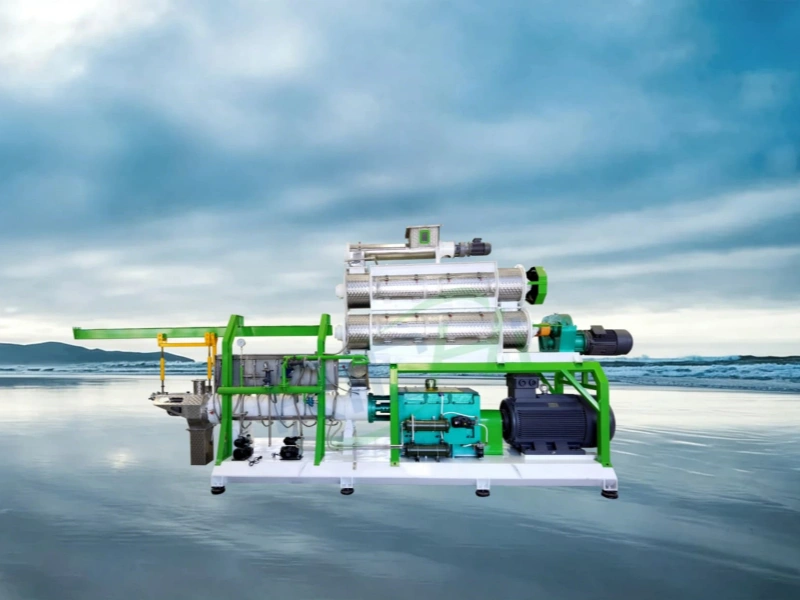
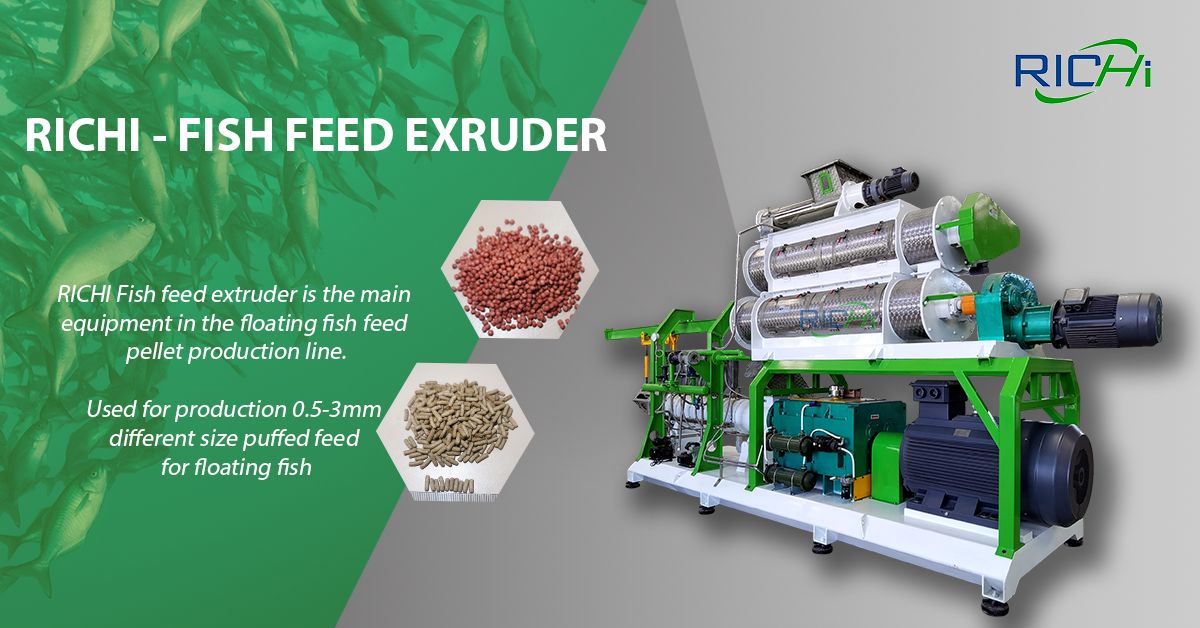
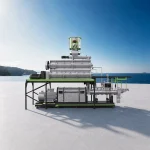
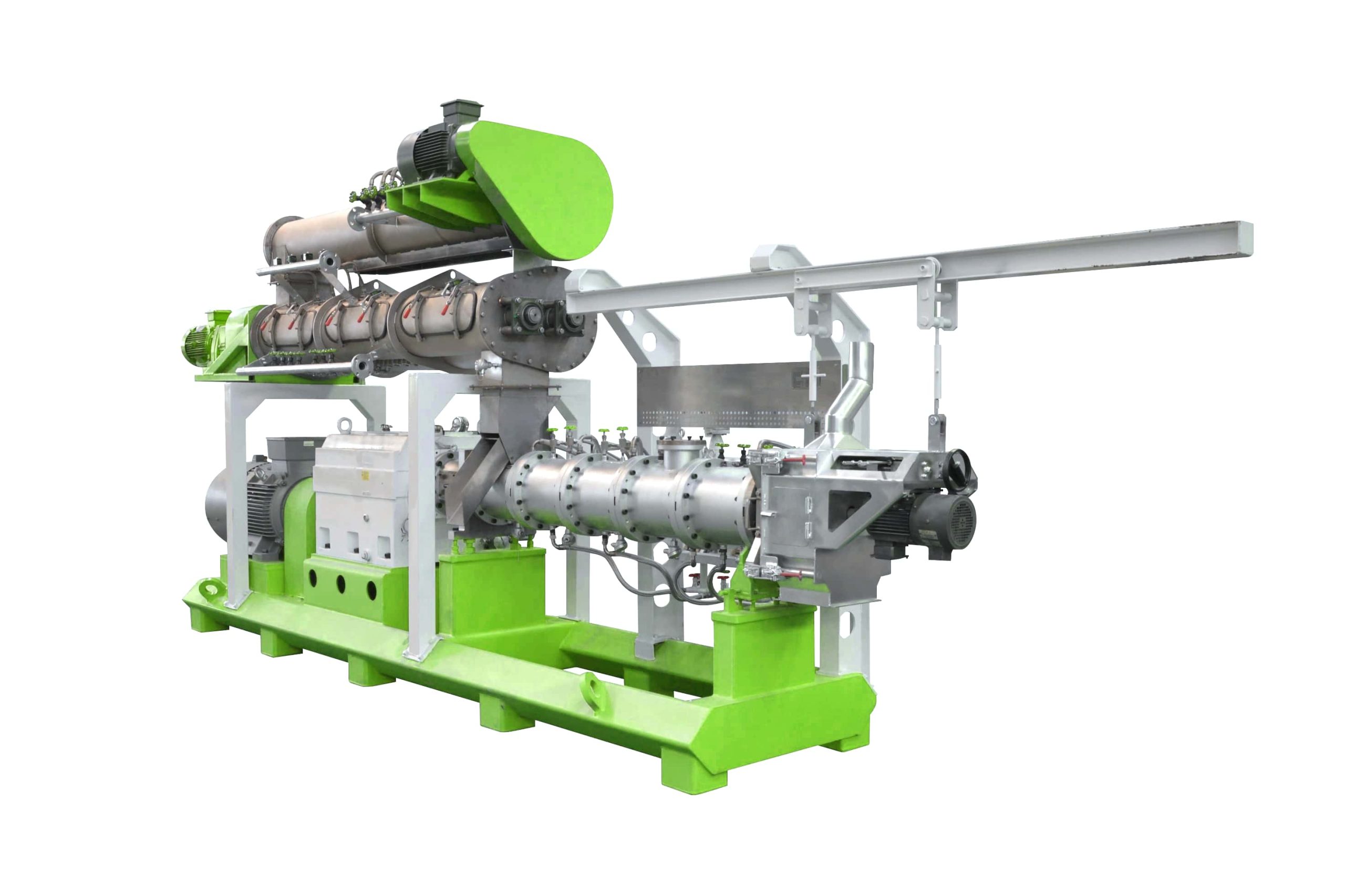
Unlike traditional pellet machines, a wet-type fish feed extruder uses steam conditioning and high-temperature processing to produce high-quality feed. This method improves starch gelatinization and protein digestibility, making the final pellets more nutritious and easier for fish to absorb.
The extrusion process also allows better control over pellet shape, density, and buoyancy. Whether you want floating, slow-sinking, or fully sinking feed, this machine offers unmatched flexibility. That’s a major advantage for farms raising multiple species with different feeding habits.
Wet Extrusion vs. Pelletizing: Which One Wins?
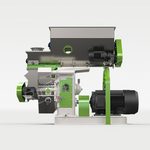
Many farm owners compare extrusion technology with traditional pelletizing equipment before making a decision. A livestock feed pellet machine is highly efficient for producing feed for poultry, cattle, and other land animals. However, it lacks the advanced cooking process required for premium aquatic feed.
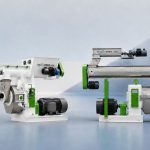
Similarly, a sinking fish feed machine is ideal for producing dense pellets for bottom feeders, but it doesn’t offer the same versatility as extrusion systems. Wet-type extruders can handle a wider range of formulations and produce feed with improved water stability, which is critical in maintaining water quality.
In short, if your goal is high-end aquafeed production, extrusion technology often provides a clear edge.
Key Benefits That Drive ROI
One of the biggest advantages of using a wet-type fish feed extruder is feed efficiency. The enhanced digestibility means fish absorb more nutrients, resulting in faster growth and less feed waste.
Another benefit is product diversity. With a single machine, you can produce feed for fish, shrimp, and even pet food applications. This flexibility opens up new market opportunities and increases your return on investment.
Moreover, the improved durability of extruded pellets reduces breakage during transportation and storage. This ensures consistent quality from production to feeding.
How to Choose the Right Supplier?
Selecting the right equipment is only part of the equation—choosing a reliable supplier is equally important. A trusted manufacturer will provide not only machinery but also technical guidance, installation support, and long-term service.
If you are looking for detailed specifications or real project cases, you can find here valuable insights that help you make an informed decision. Established companies like Richi Machinery specialize in advanced feed processing solutions and offer customized systems tailored to different production scales.
Conclusion: Is It Worth the Upgrade?
For aquaculture businesses aiming to scale up and improve efficiency, a wet-type fish feed extruder is more than just a machine—it’s a strategic upgrade. It enhances feed quality, supports sustainable practices, and gives farmers greater control over production.
As global demand for high-quality seafood continues to rise, investing in advanced feed technology could be the key to staying competitive in the market.